How artificial intelligence will change the way we work in 2026
2026 is not only a benchmark on the calendar but also a turning point for artificial intelligence in the professional world. What we are seeing now is not just AI as a tool; It’s becoming a colleague, a strategist, and in some cases, even a decision-maker. From writing reports to designing marketing campaigns, from diagnosing medical scans to managing supply chains, AI is no longer a sidekick. It is embedded in workflows and its evolution will redefine the meaning of productivity. After a year of working with enterprise-grade AI systems across multiple industries, including finance, healthcare, creative agencies, and tech startups, I can confidently say: the transformation has begun.
From automation to augmentation: a new work paradigm
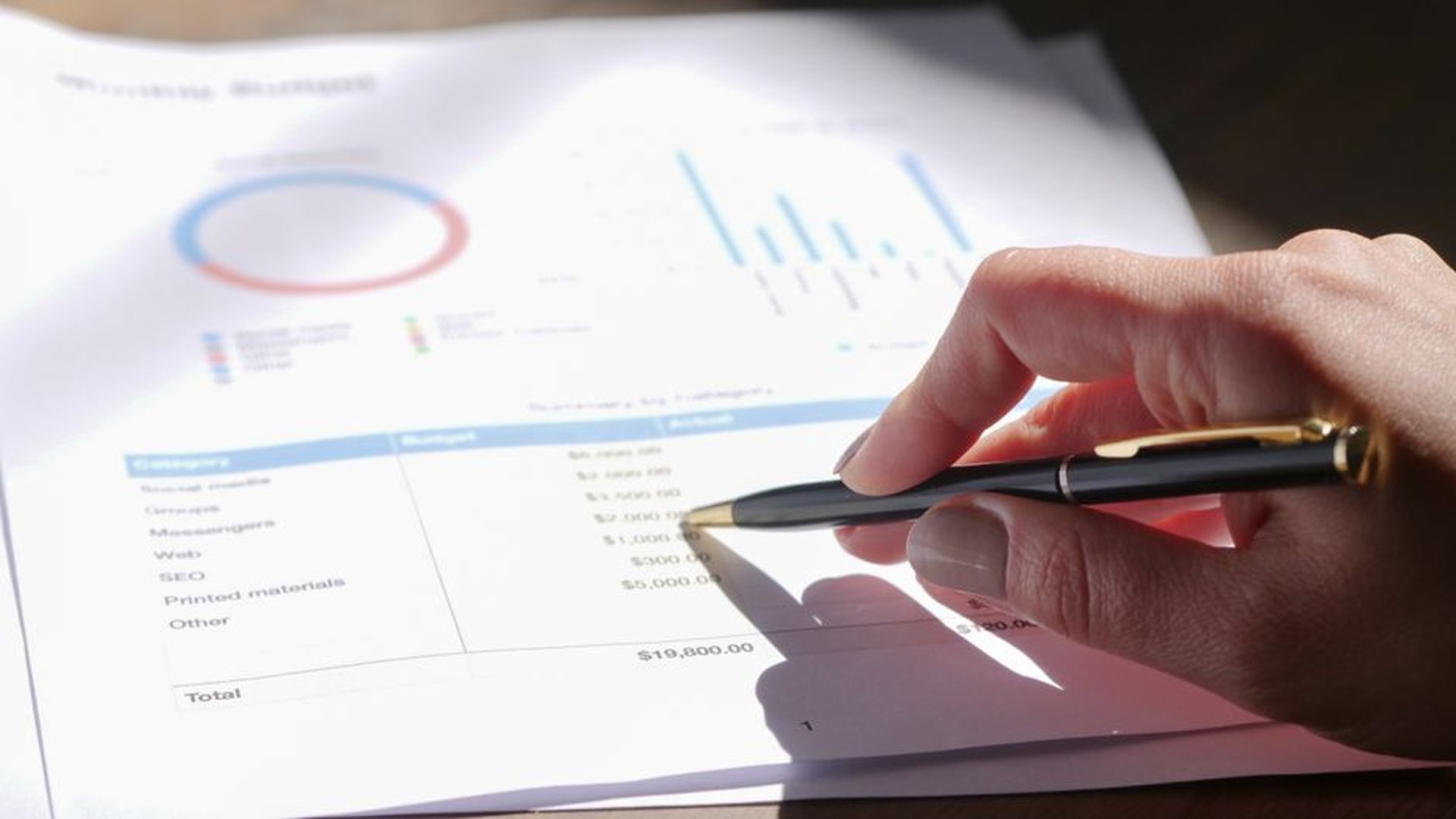
Five years ago, AI was mostly about automating repetitive tasks: data entry, scheduling, email filtering. By 2026, this will evolve into augmented intelligence. Imagine a financial analyst no longer spending hours extracting data from spreadsheets. Instead, her AI assistant scans quarterly reports before she opens her browser, detects anomalies, and generates a 300-word summary of key insights (including visual trends and risk markers).
This is not science fiction. At a mid-sized investment firm in Austin, I observed a team using an AI-driven analytics platform that not only processed financial data but also compared it to global macro trends, geopolitical events, and real-time news sources. The result? Make decisions in minutes, not days. The human role does not disappear but transforms. Now, they are interpreting AI outputs, challenging assumptions, and focusing on long-term strategies. The most effective workers are not those who can memorize spreadsheets, but those who can ask the right questions to AI.
Artificial intelligence in creative fields: collaboration, not replacement
One of the biggest concerns about AI in 2026 remains whether it will replace creative professionals. My answer? Not yet—on the contrary, it’s fueling them. A graphic designer in Berlin told me that she used to spend 40% of her week accepting revisions from clients who couldn’t clearly describe what they wanted. Now, her team uses an AI-powered mood board generator to draw visual inspiration from global design trends, customer psychographics and even social sentiment data. She uploaded a simple prompt—“Minimalist tech branding for Gen Z, eco-friendly, 2026 aesthetic”—and within 12 seconds, five mood boards appeared, each based on real user preferences.
It’s not just a matter of speed. It’s about context. AI can not only generate images but also understand tone, cultural differences and brand values. I worked at a video production company in Los Angeles using AI to assist with script writing. Their AI analyzed 10,000 viral YouTube clips, mapped out emotional arcs, and predicted audience retention patterns. The result? Scripts are now 70% more engaging without losing human authenticity. Creativity will not be replaced. It’s amplified by data and speed.

The Hidden Workforce: Artificial Intelligence in Internal Operations
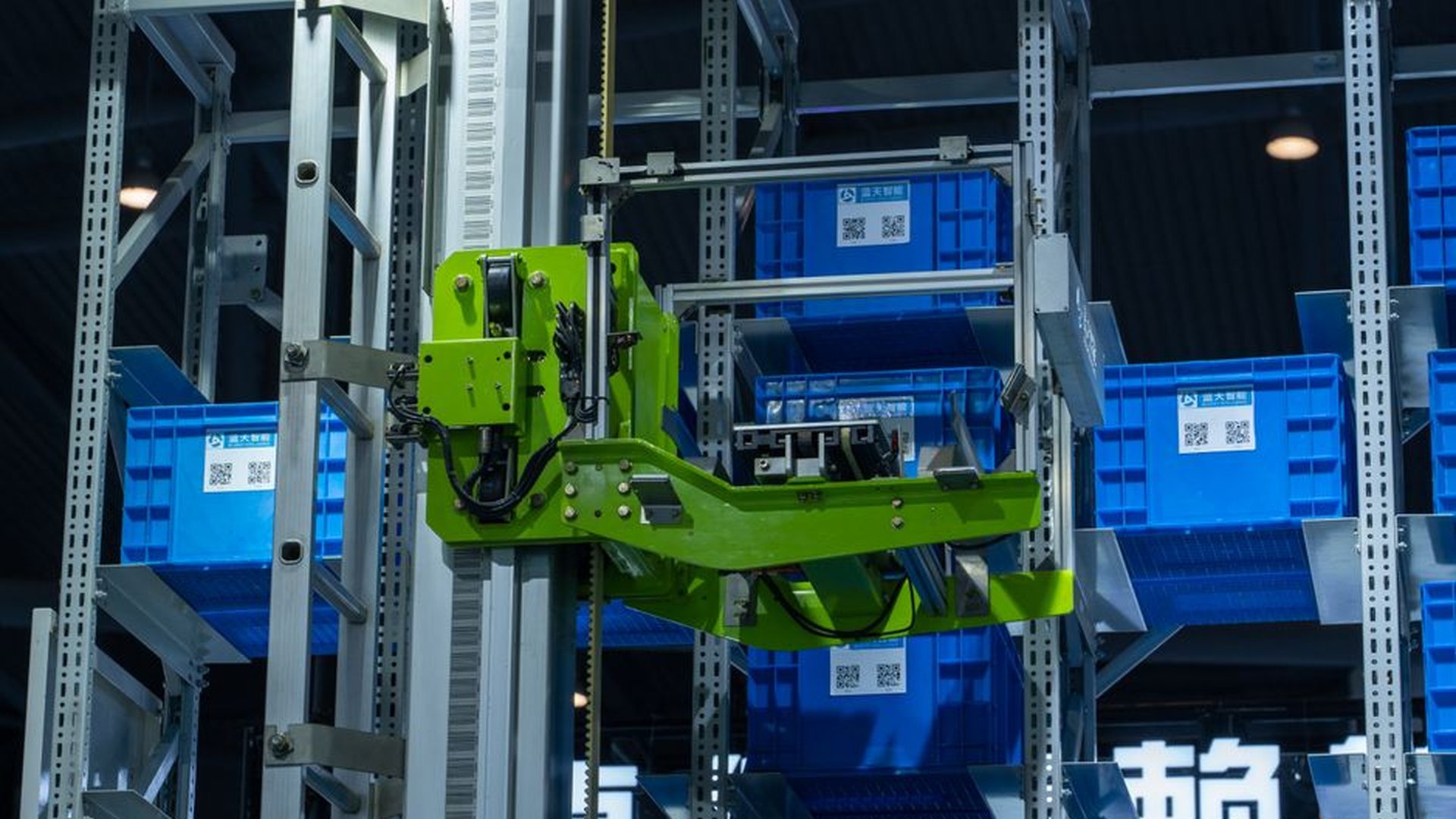
Beyond customer-facing roles, AI is quietly reshaping internal operations. At a large logistics company in Europe, I witnessed firsthand a warehouse team where 70% of shift planning, equipment maintenance alerts and route optimization were now managed by AI systems. These are not simple algorithms. They were trained on 5 years of real-time sensor data, weather patterns, traffic flows and even employee fatigue indicators.
Case in point: A delivery driver in Milan received a real-time alert on his smart monitor – “Route 45 has a 62% chance of being delayed due to construction and fog.” Suggested alternative: Route 72, +2.1 minutes, but with 94% confidence of on-time delivery. “Rather than second-guessing the driver, the driver followed the advice and arrived nine minutes early. The system did not replace judgment but rather enhanced its accuracy.
Even HR is transforming. At one Seattle tech startup, the hiring process now includes an AI assistant that screens resumes while analyzing tone, sentence structure and career progression patterns. It flags candidates who may be underqualified but show strong potential through non-traditional pathways. The result? Increased recruiter diversity by 30% without compromising quality.
What you need to know before 2026
If you’re a professional still building your skills, here’s what you need to focus on to stay ahead in 2026:
– Master the art of just-in-time engineering. Your ability to ask the right questions will be more valuable than your coding skills.
– Develop critical thinking. AI will give you answers, but only you can tell whether they are correct.
– Learn to verify output. Whether it’s a design draft, financial forecast, or medical report, cross-check it with domain expertise.
– Embrace continuous learning. Platforms like Coursera, Udacity, and industry-specific AI labs now offer micro-credentials in AI-assisted workflows.
The truth is, the jobs of the future won’t be about humans losing to machines. This is where smart humans use artificial intelligence as a force multiplier. The real difference in 2026 will not be who knows more, but who knows how to use AI.
Looking ahead: Human strengths in 2026
As we enter 2026, the narrative around artificial intelligence is changing. It’s no longer a matter of worrying about being replaced. It’s about the birth of new roles – AI ethicists, architects of the moment, designers of human-AI collaboration. These are not just jobs. They are new forms of professional identity.
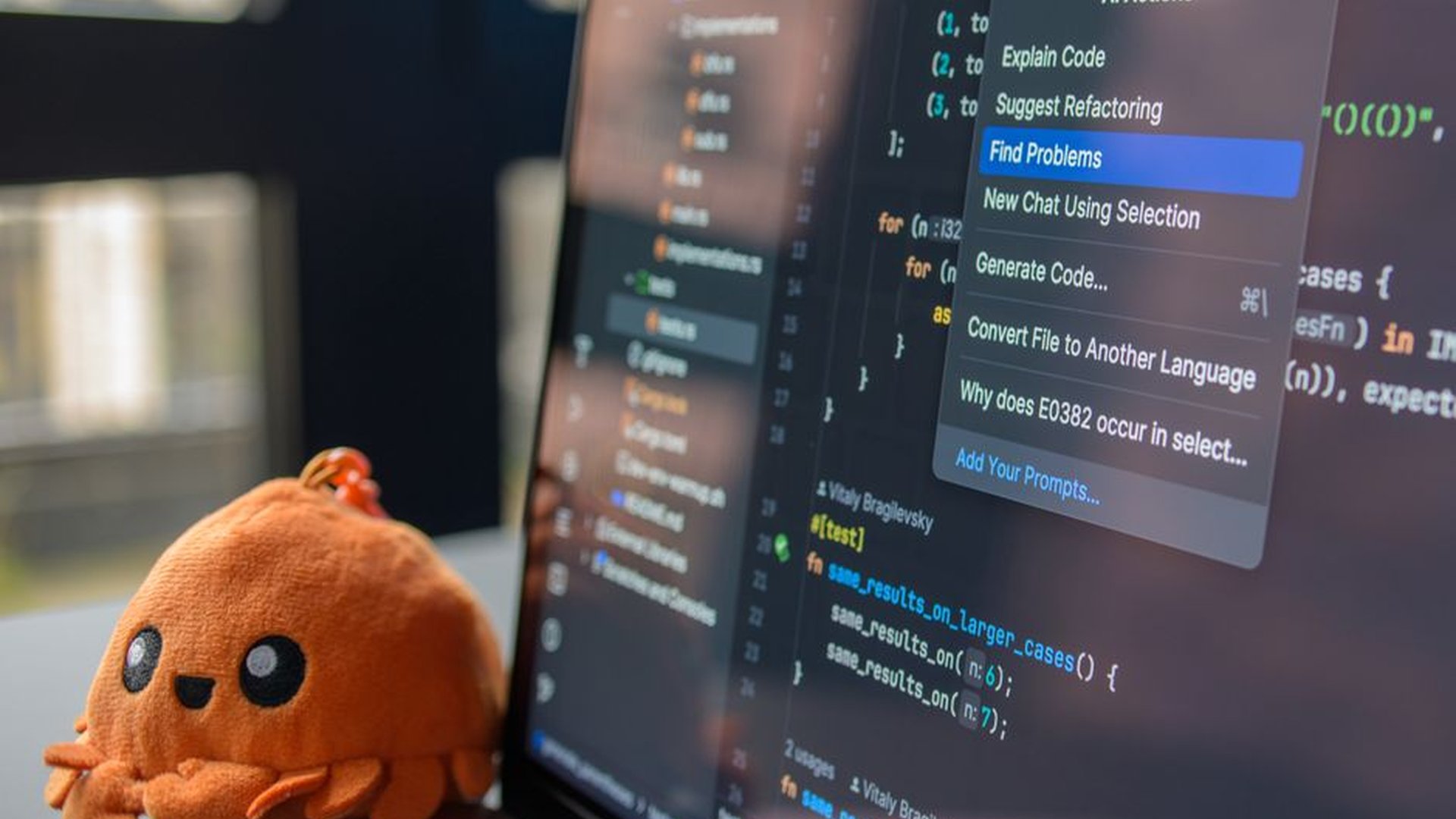
I saw a developer in Tokyo using AI Copilot to write and debug code in real time. But it wasn’t his coding speed that made him stand out, but his ability to explain the logic of AI to stakeholders. He’s not just a coder. He is the translator between machine logic and human goals.
This is the edge. This is what defines success in 2026. Humans who can guide, challenge, and refine artificial intelligence will more than just survive. They will lead.
Artificial intelligence won’t replace your job. It’s about helping you do better. The question is not whether you can use AI, but whether you can learn how to use it.
About the Author