The Marriage of AI and Everyday Devices
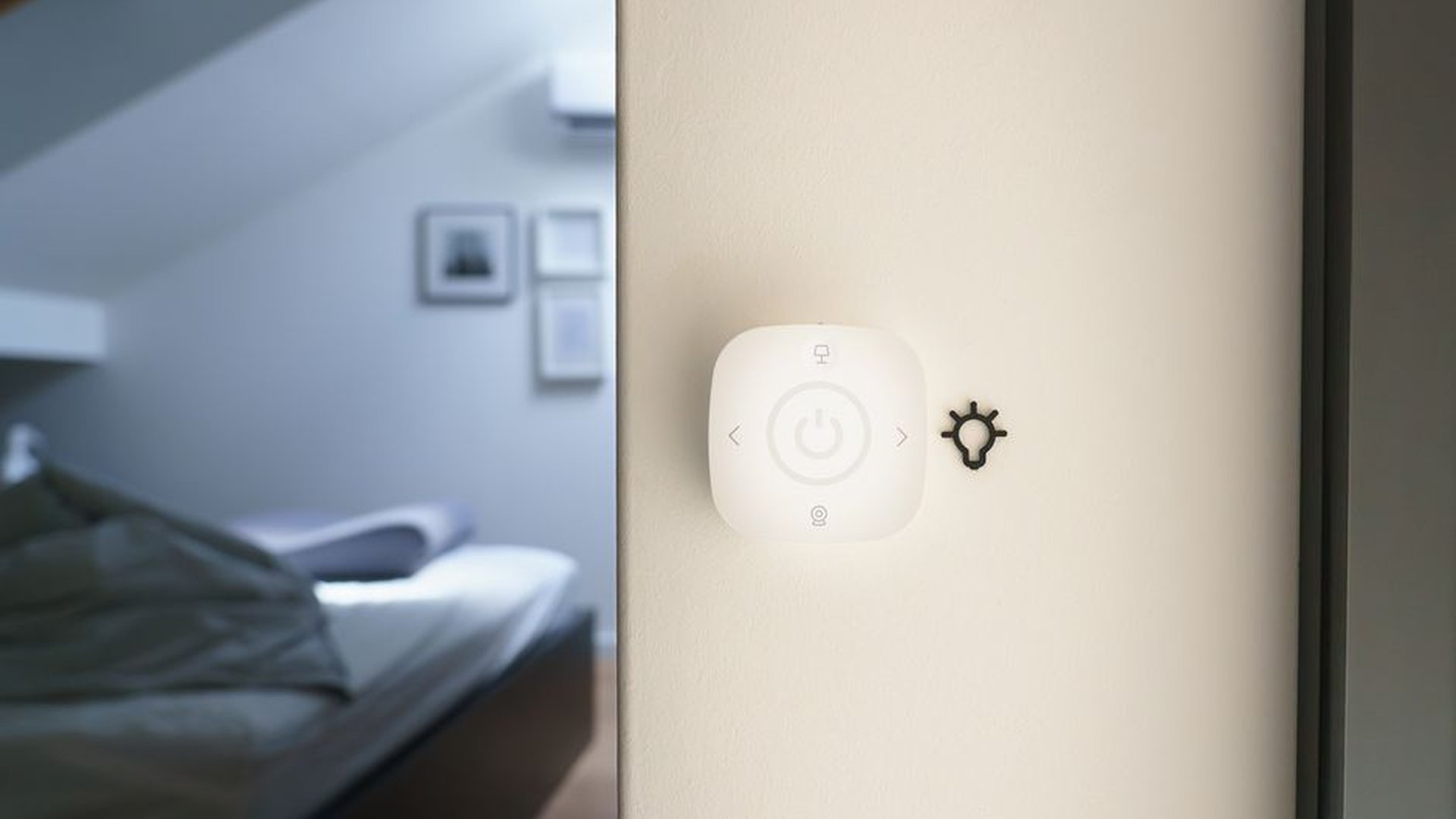
Imagine waking up not to an alarm, but to your bedroom lighting adjusting softly, your favorite playlist starting, and a personalized morning summary appearing on your smart mirror—all before you’ve fully opened your eyes. This isn’t science fiction. By 2026, artificial intelligence is no longer just a feature inside a device; it’s becoming the invisible thread connecting every smart object in your home, car, and mobile ecosystem. The future of tech isn’t just about smarter gadgets—it’s about devices that understand you. This deep integration between AI and smart devices marks a turning point. Instead of manually instructing your phone or thermostat, you’re now surrounded by systems that learn your habits, predict your choices, and act accordingly—sometimes even before you realize what you want.
This shift is driven by advances in on-device AI, edge computing, and natural language processing. Devices don’t need to constantly send data to remote servers anymore. They’re processing information locally, responding faster, and protecting your privacy better. As a result, AI isn’t just smarter—it’s more personal, efficient, and human-like.
From Voice Assistants to Intuitive Predictors
We’ve all used voice assistants—Siri, Alexa, Google Assistant—giving commands like, “Set the alarm for 7 a.m.” or “Turn off the lights.” But by 2026, these assistants evolve from reactive tools into proactive companions. Picture this: your smartwatch senses your stress levels through slight changes in heart rate and skin conductivity. It doesn’t just notify you to relax—it quietly dims your home’s lighting, plays ambience music, and sends a calming message from your partner’s phone.
This isn’t magic. It’s contextual AI. These devices now combine biometric data, calendar patterns, location history, and even ambient noise levels to form a rich understanding of your emotional state and environment. In Tokyo, a pilot program at a major train station uses AI-powered sensors and facial recognition (with strict privacy safeguards) to detect passengers who appear anxious or disoriented. Instead of emergency personnel, an AI-recommended guide suggests a quieter platform or offers help via a nearby digital kiosk—so discreet that most users don’t even know they’ve been assisted.
Smart Homes That Learn—and Adapt
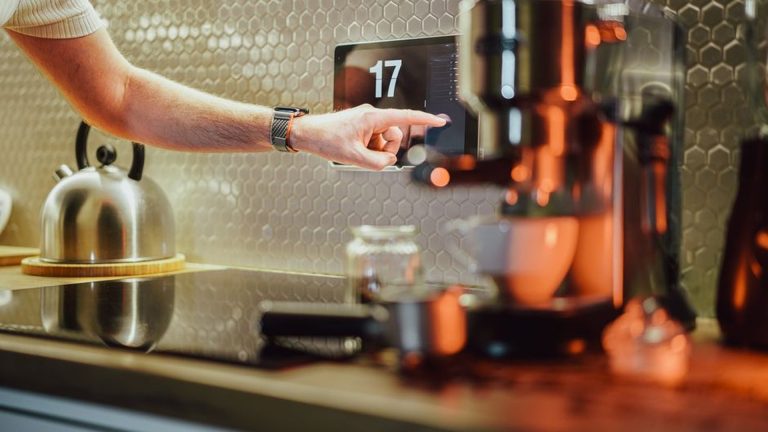
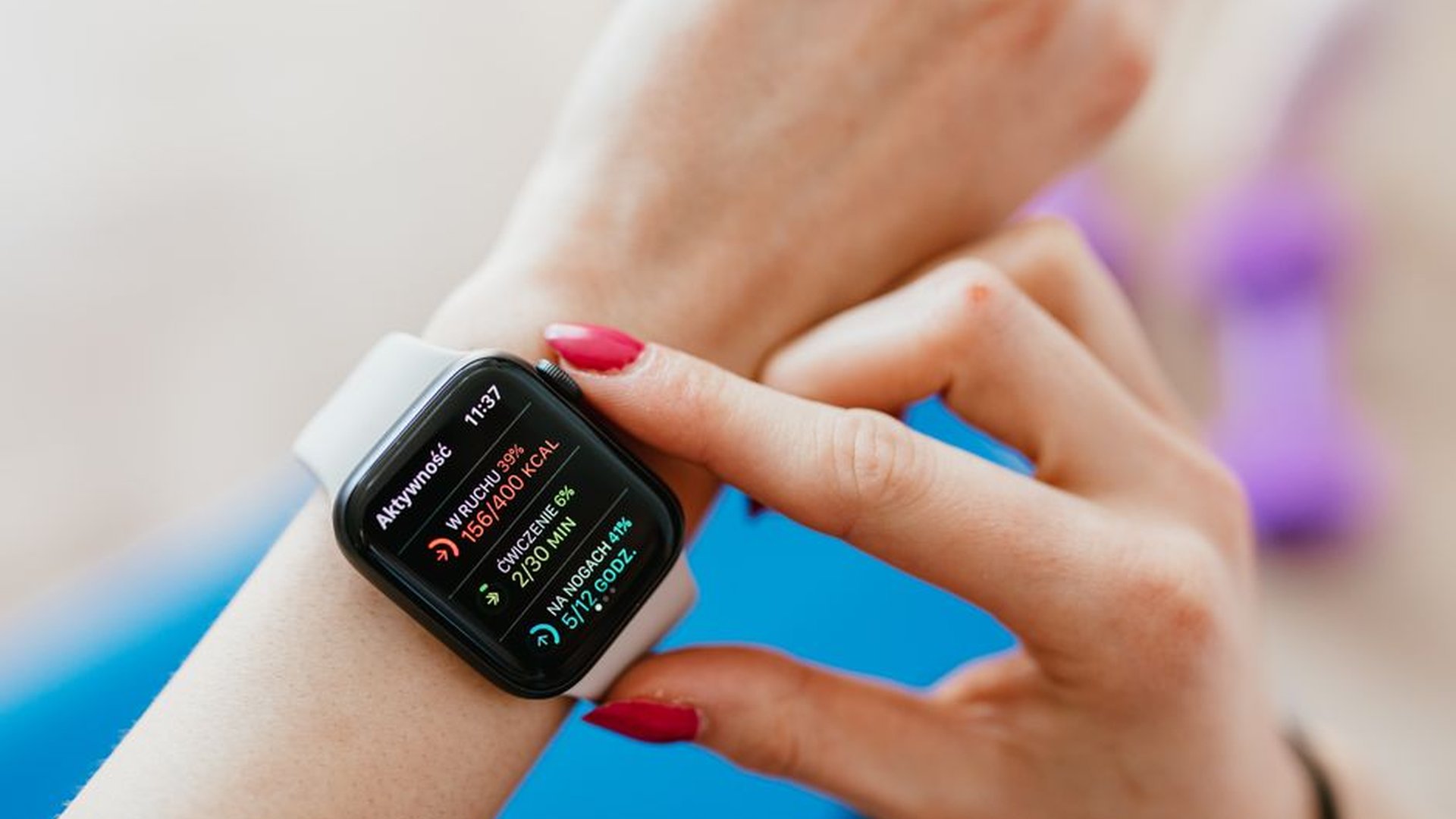
Your home isn’t just a place you live in. By 2026, it’s a responsive environment that understands your routines, preferences, and even your mood. Take Sophia, a 34-year-old graphic designer in Seattle, who uses a full-home AI integration system. Her smart fridge not only tracks what’s inside but suggests recipes based on her dietary goals and ingredients nearing expiration. It orders groceries when she’s low on essentials—using her preferred store and delivery window.
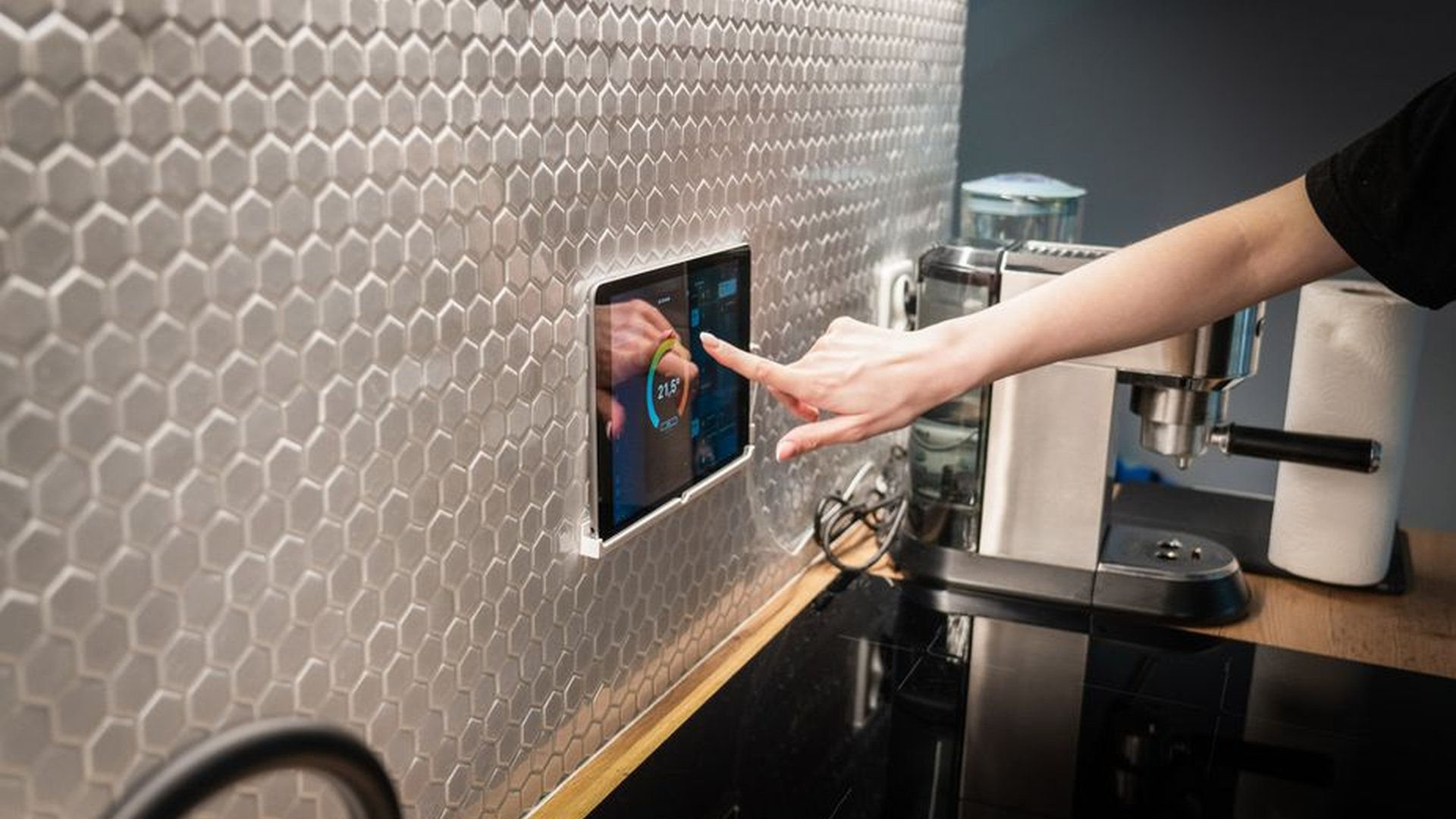
Meanwhile, her smart thermostat learns that she’s more comfortable at 71°F when working from home on Tuesdays and Thursdays. It adjusts automatically, saving energy and keeping her in that sweet spot. If she starts working late, the heating kicks in earlier to ensure she’s not shivering when she walks in.
The most profound change isn’t in convenience—it’s in emotional intelligence. When Sophia’s dog, Max, passed away last spring, her house reacted. The dog bed’s sensors detected the absence for over 48 hours. The curtains began opening at 7 a.m. only on weekends—the time Max used to wake her up. The AI didn’t mourn. But in its quiet way, it honored her routine, offering subtle comfort.
Wearables That Care
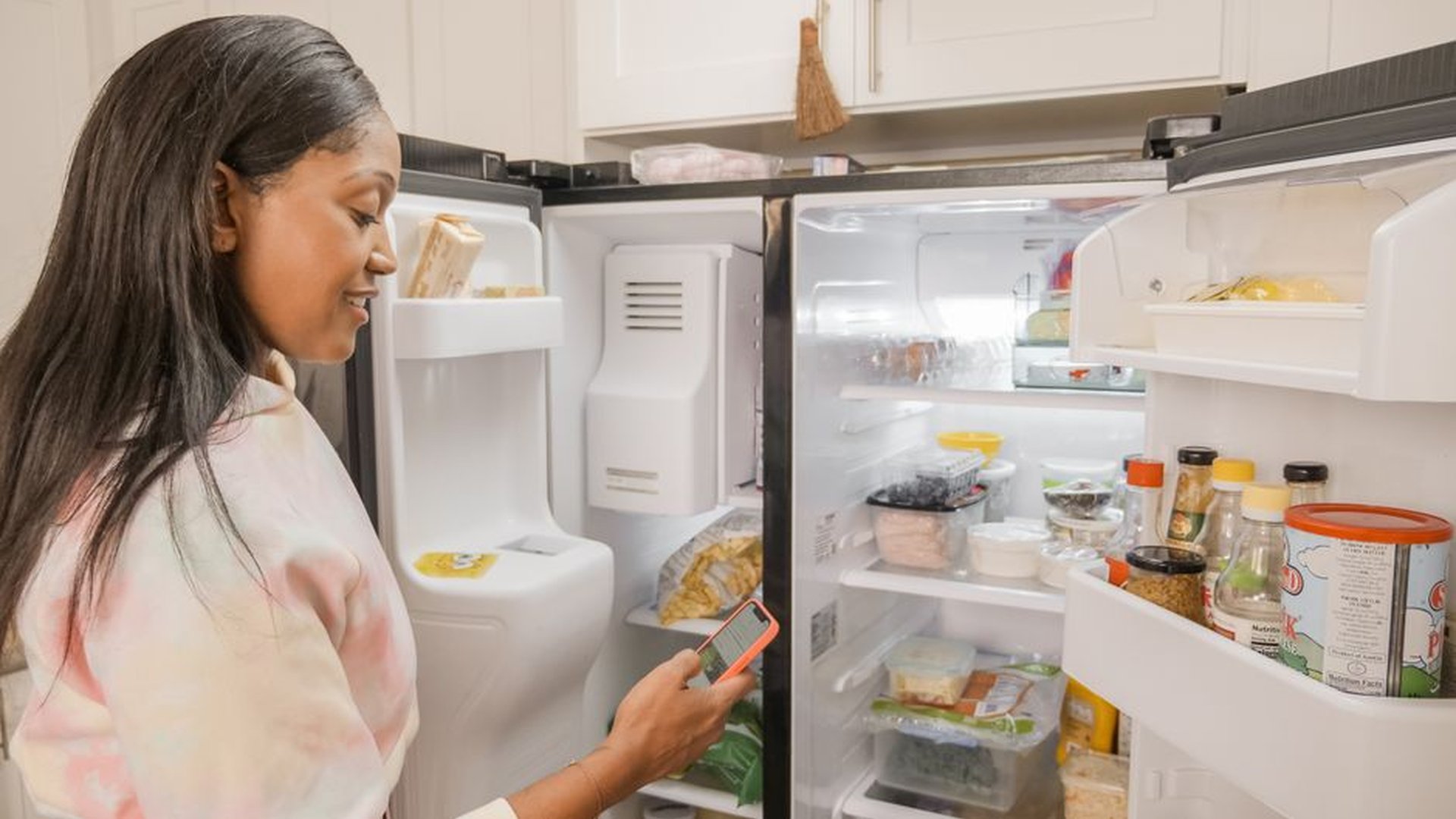
Wearable tech is no longer limited to step counts and sleep tracking. By 2026, wearables have become real health partners. The next generation of smartwatches, like the newly launched Lumos X1, uses an advanced biosensor array to monitor not only heart rate and oxygen levels but also hydration, stress biomarkers, and even early signs of inflammation.
When the device detects a potential spike in cortisol levels, it doesn’t just alert you. It guides you through a 90-second breathing routine via haptic pulses and audio cues. It also analyzes your schedule and pushes a gentle reminder: “You’ve got a 3 p.m. meeting. Consider a 10-minute mindfulness break now.”
In partnership with healthcare providers, some wearables now offer early detection for conditions like prediabetes and sleep apnea—through patterns, not just single data points. For users in rural areas of India, where medical access is limited, wearables are becoming the first line of health monitoring, sending anonymized data to cloud-based AI clinics that can flag concerns and recommend next steps.
The Human Touch in a Machine World
As AI becomes more embedded, one challenge remains: how do we keep the human experience at the center? In 2026, the best tech isn’t the most advanced—it’s the one that feels the most natural. Companies like NovaCore and AuraTek focus on designing for empathy. Their devices don’t just react—they reflect. They mimic the way a close friend might pause before speaking, or how a parent might adjust their tone when sensing distress.
What’s clear is this: the future of tech isn’t about replacing human decisions. It’s about making them easier, faster, and more meaningful. Whether it’s an AI that notices you’ve forgotten to take your medication or a smart home that knows when you’re having a bad day and dims the lights to help you unwind—these aren’t just upgrades. They’re lifelines.
By 2026, the line between technology and intuition blurs. We’re not just using devices smarter. We’re living inside a system that understands us better than we sometimes understand ourselves. And that’s the true future of tech—not just innovation, but integration. Not just progress, but purpose.
About the Author