Smart Devices Evolve: The New Era of Intuitive Technology
The line between tools and companions is blurring. What was once a simple smartphone or smart speaker is now evolving into something far more personal—devices that learn, adapt, and anticipate our needs. This shift isn’t speculative; it’s already happening. From wearables that monitor your stress levels in real time to home hubs that adjust lighting and temperature based on your mood, smart devices are no longer just connected. They’re becoming intelligent, intuitive, and deeply embedded in our daily lives. At Elder Berry Ads, we’re not just watching this transformation—we’re analyzing it, breaking down what’s real, what’s overhyped, and what could redefine how we interact with technology.
AI Is No Longer Optional—It’s Embedded
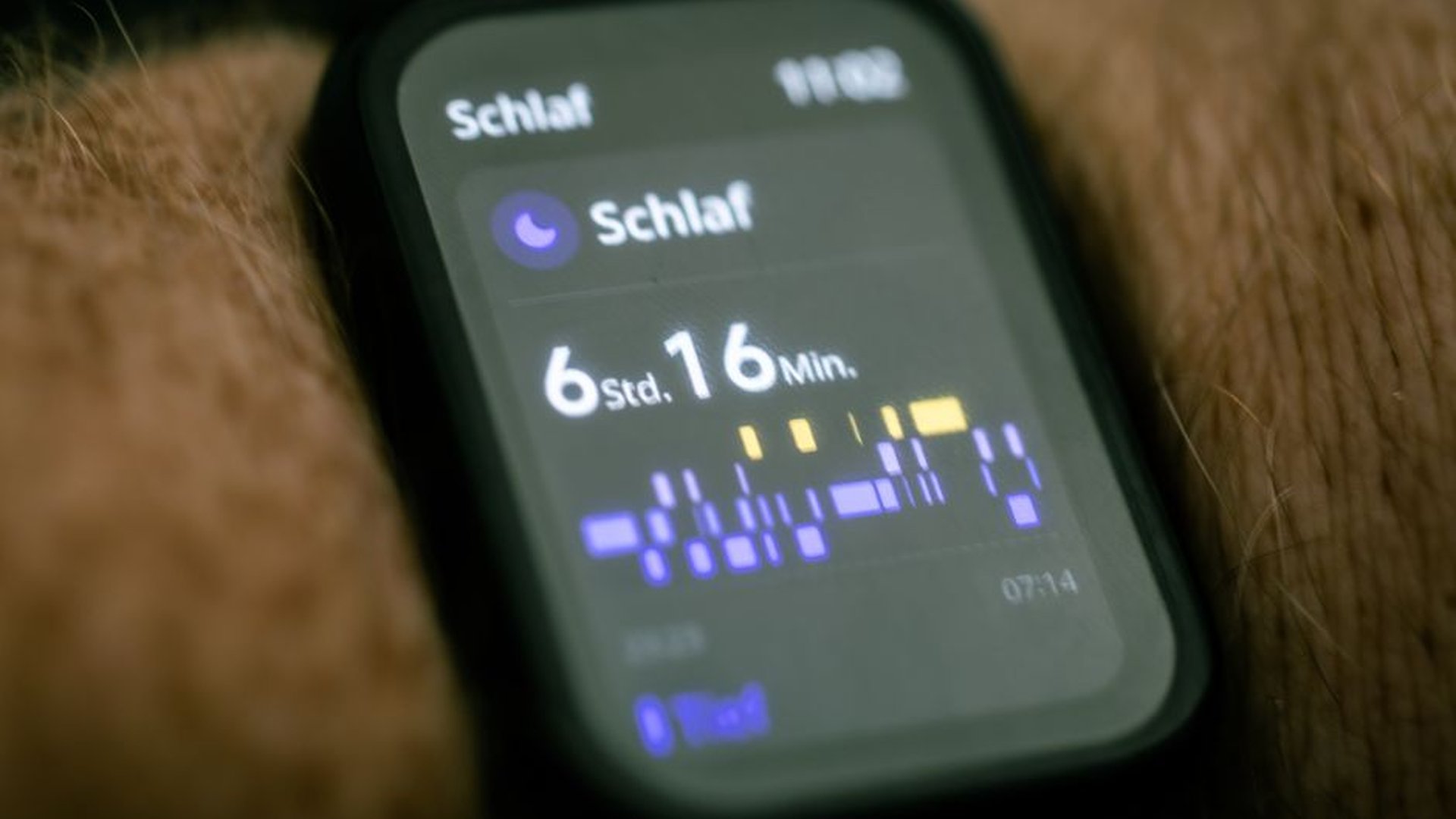
When you think of artificial intelligence today, you might picture a chatbot or a robot helper. But in the next generation of smart devices, AI isn’t an add-on feature. It’s the foundation. Take the latest generation of smart health trackers—devices that don’t just count steps or measure heart rate, but analyze patterns across sleep cycles, heart variability, and even subtle changes in voice tone to detect early signs of fatigue or anxiety. These devices don’t just report data; they interpret it. They’re like personal wellness coaches that understand your body and habits better than most doctors.
In Tokyo, a pilot program tested AI-powered smart mirrors in private homes. These mirrors use facial recognition and micro-expression analysis to detect stress signals—and then suggest calming exercises, adjust ambient lighting, or even play soothing music through connected speakers. The results? Over 70% of users reported a measurable reduction in morning anxiety. This isn’t science fiction. It’s a real-world example of how smart devices are evolving from reactive tools to proactive partners.
Design That Adapts as You Do
The future of smart devices isn’t just about smarter software—it’s about smarter form. Physical design is now responding to user behavior, environment, and even emotional state. Consider the new generation of foldable consumer electronics, like a hybrid tablet-laptop with a flexible OLED screen that adjusts its curvature based on how you’re holding it. It doesn’t just fold—it morphs. The device senses your grip, your posture, and even the lighting conditions around you, then optimizes screen tilt, brightness, and touch sensitivity for maximum comfort.
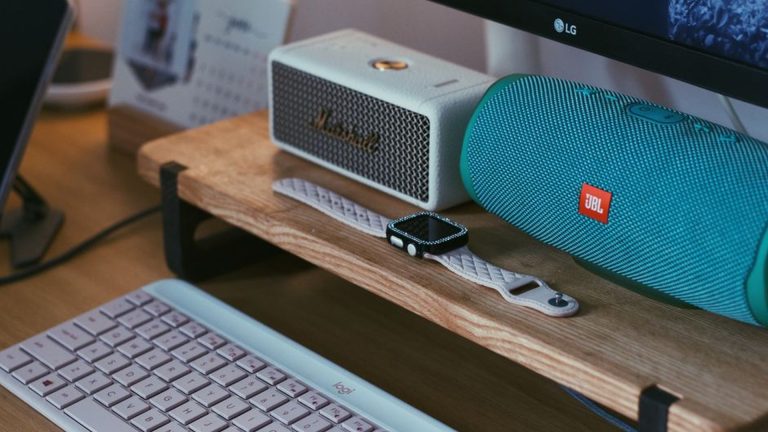
Another example comes from wearable tech. A new smartwatch prototype developed by a European startup uses shape-memory alloys that gently reshape the band throughout the day. If your wrist swells slightly due to hydration levels or temperature changes, the band automatically loosens or tightens—no manual adjustments needed. It’s not just wearable; it’s responsive. And it’s not limited to wearables. Smart home devices are beginning to adapt their physical presence too. Imagine a smart speaker that changes its shape to optimize sound dispersion based on room acoustics and user positioning—featuring moveable drivers and collapsible horns that tuck away when not in use.

Sustainability: From Marketing to Mission
For years, tech innovation came at the cost of environmental damage. But that’s changing. The next wave of smart devices isn’t just smarter—it’s more responsible. Companies are now designing for longevity, recyclability, and energy efficiency from the ground up. Take the modular smartphone released by a Finnish company last year. It’s built with replaceable components—battery, camera module, speaker, even the hinge. Instead of tossing a device after a year, users swap out only the failing part. It’s like building with LEGO blocks, but for electronics.
This concept isn’t limited to phones. In South Korea, a new line of smart home devices uses biodegradable casings made from mushroom mycelium and recycled ocean plastic. These devices aren’t just eco-friendly—they’re built to decompose naturally at the end of their lifecycle, leaving virtually no waste. And they’re not sacrificing performance. One smart thermostat, made from this material, uses 30% less energy than standard models while offering better AI learning accuracy over time. Sustainability isn’t a side note anymore—it’s a core part of the innovation process.

Privacy, Ethics, and the Human Factor
As smart devices become more intelligent, the ethical questions grow sharper. How much access should a device have to your private life? Can an AI that monitors your stress levels make decisions about your mental health? These aren’t hypothetical concerns. When a smart health device in California sent an emergency alert to 911 based on a sudden spike in heart rate and vocal stress—only to find out the user was actually shouting in excitement during a birthday party—the incident sparked national debate.
The answer lies in control. The most advanced smart devices today are designed with user sovereignty in mind. For example, a new privacy-focused smart speaker allows users to set ‘behavioral boundaries’—you can define what data the device can collect, how long it stores recordings, and even how it interprets emotional cues. You get the benefits of smart functionality, but you never lose the authority over your own life. These ethical safeguards are now a standard in new product designs, not a luxury.
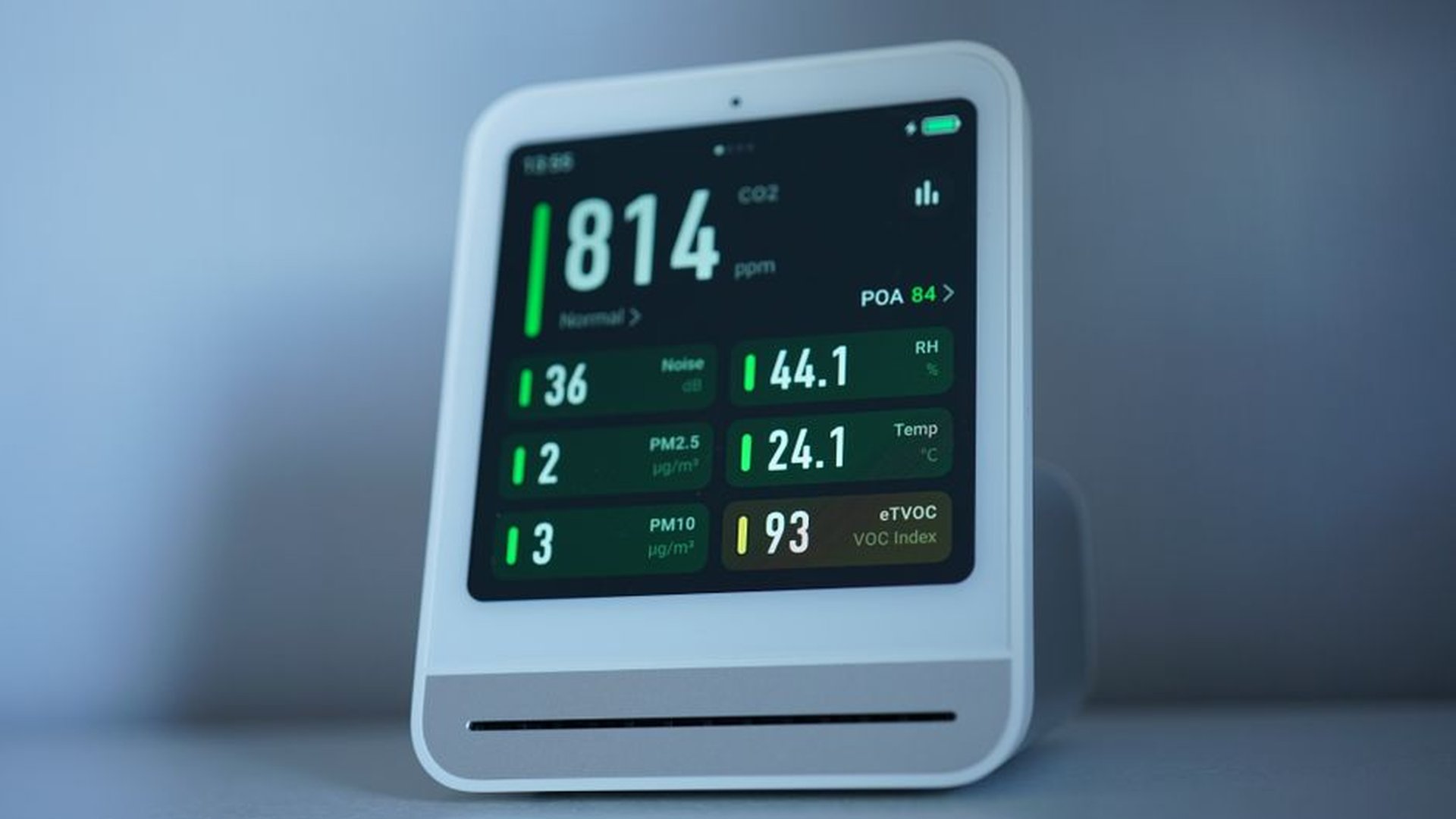
Looking Ahead: What’s Next for Smart Devices?
The future isn’t about what devices can do. It’s about what they can mean. The next generation of smart devices is moving beyond convenience—it’s aiming for connection. Imagine a smart home that learns your routines not just to optimize comfort, but to help you remember your son’s soccer game, remind you to call your mom on her birthday, or even create a personalized audio journal from your voice notes and daily moods.
The devices of tomorrow won’t just react to us. They’ll grow with us. They’ll learn our rhythms, our values, and our unspoken needs. And they’ll do it quietly—without alarms, without pop-ups, without demanding attention. They’ll be present, not intrusive.
Smart devices are evolving from tools into trusted partners. As we stand at this crossroads of innovation and humanity, the real question isn’t how smart they get—but how wisely we use them. At Elder Berry Ads, we’re not here to sell hype. We’re here to guide you through the real changes, the real possibilities, and the real choices ahead.
About the Author