How Smart Devices Are Revolutionizing Home Automation
The moment I walked into my new apartment last year, I didn’t just see bare walls and a basic kitchen. I saw opportunity—potential for a home that doesn’t just respond to me, but anticipates me. That’s the real shift brought by smart devices: they’re no longer futuristic fantasy. They’re here, quietly reshaping our routines, our energy use, and even our relationships with space. What started as a few voice-activated lights and a smart speaker has evolved into full-fledged home ecosystems that learn, adapt, and simplify everyday life.
The Quiet Power of Integration
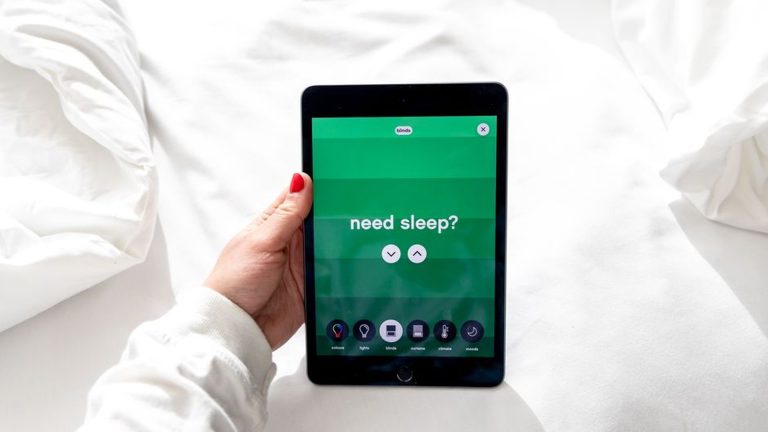
My favorite example? The morning routine. Before smart devices, I’d wake up, fumble for the lights, check the thermostat, brew coffee, and still be half-asleep. Now? I say, “Good morning, Alex,” and within seconds, the bedroom lights rise gradually, the blinds open, the thermostat adjusts to 72 degrees, the coffee maker starts, and my favorite playlist begins. All of it happens without me touching a single switch.
This isn’t magic—it’s integration. When your smart thermostat, lighting system, voice assistant, and even your refrigerator are all talking to each other through a central hub (like Apple Home or Google Home), automation becomes fluid. You don’t just control devices—you create experiences. And the best part? It’s not about gimmicks. It’s about reducing friction. Less time spent managing the house, more time living in it.
Energy Efficiency Meets Real Convenience
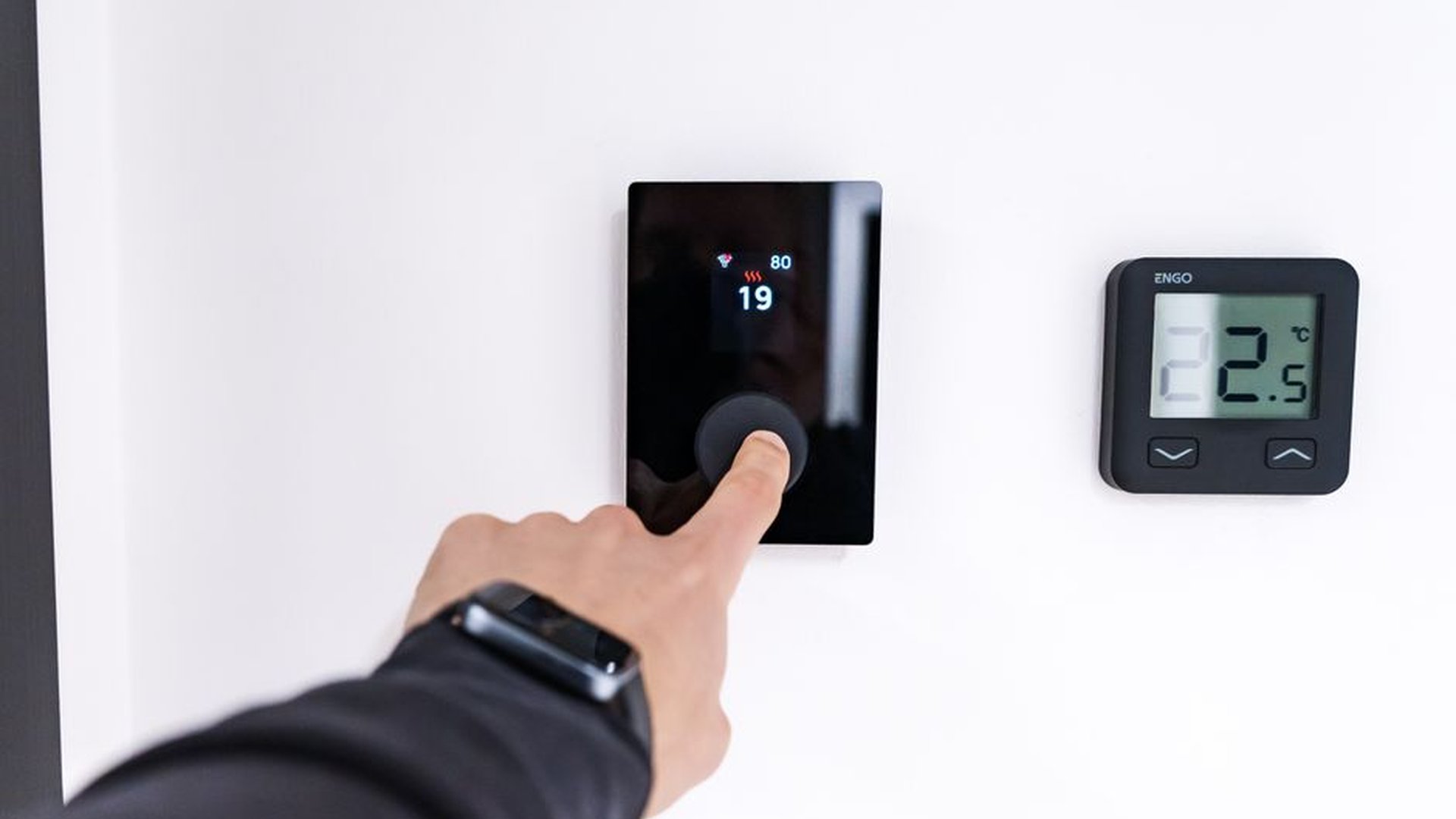
One of the most underestimated benefits of smart home tech is energy savings. I used to leave the heating on all night, even when no one was home. That changed after installing a smart thermostat and smart plugs. Now, the system learns my schedule. When I leave for work, it automatically lowers the heat. When I’m on my way back, it warms up the house just in time.
I’ve tracked my energy bills over the past 12 months. Without changing my habits, I cut my winter heating costs by 18%. That’s not a lucky fluke—it’s smart tech making real, measurable differences.
And it’s not just heat. Smart plugs let me turn off devices that draw phantom power—like my gaming console, a tablet charger, or a cable box. I didn’t realize how much energy those little devices sapped until I started monitoring them. Now, I schedule them to shut off at 11 PM every night. No more standby power waste.
Security That Works with You, Not Against You
Security used to mean complex alarms, motion sensors, and endless troubleshooting. Smart devices have changed that. Take the Ring video doorbell. I installed it on my front porch not just for convenience, but for peace of mind.
Last winter, a package thief tried to steal a delivery from my porch. The doorbell’s motion sensor triggered, and I received an alert on my phone. I saw him approach, and I spoke through the camera. He hesitated, then walked away. I recorded the entire event and sent it to my local police. They confirmed it as a potential crime, and it helped close a pattern of thefts in my neighborhood.
But smart security isn’t just about deterrence. It’s about smart alerts. I set up my system to only notify me when motion is detected between 10 PM and 6 AM—so I’m not woken up by a squirrel jumping on the balcony. I’m also using a smart lock that logs every entry and exit. My partner travels often, and I can now grant temporary access remotely when she’s visiting. No more hiding keys under the mat.

From Automation to Personalized Living
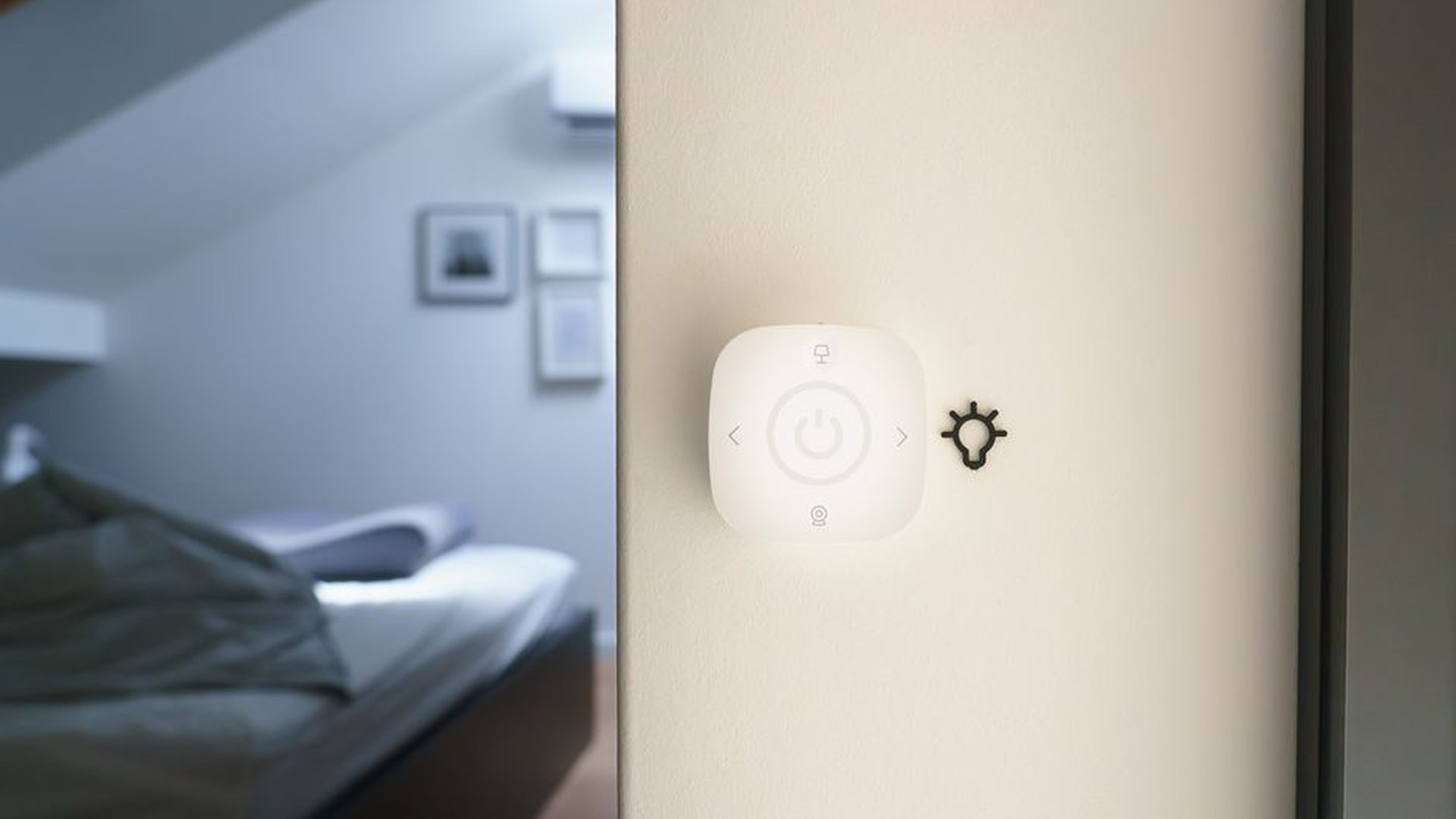
The real transformation isn’t in the gadgets alone—it’s in how they adapt to *you*. My smart lighting isn’t just on or off. It shifts color temperature based on the time of day. In the morning, it’s bright and cool (blue-white) to help me focus. In the evening, it warms up to a soft amber—better for sleep, according to research.
I also use smart lights to help manage my ADHD. When I’m deep in work mode, I set the lights to a steady, cool white. When I’m winding down, they fade to 20% brightness and shift to a warm glow. It’s not just ambiance—it’s neuro-friendly design. I’m not just using tech to make my home smart. I’m using it to make my brain more efficient.
Other personal wins? My smart speaker now tracks my medication schedule. I set a weekly reminder to refill prescriptions, and it reminds me every time. My smart fridge tracks groceries and sends low-stock alerts—no more forgetting the milk. And the kitchen? My smart oven preheats exactly when I walk in, based on my calendar. I haven’t had a burnt dish in months.

What’s Missing? Realistic Limits and Challenges
Of course, no system is perfect. After three years of smart home living, I’ve learned a few hard truths. First: not all devices play nice. I once tried to integrate a smart bulb from a lesser-known brand into my Google Home ecosystem—no luck. It didn’t respond to voice commands, and the app kept crashing. I ended up returning it.
Second: privacy is real. Every connected device collects data. I’ve had to go back and audit all my smart devices, disable unnecessary data sharing, and use strong, unique passwords. I now use a separate Wi-Fi network for smart devices to reduce exposure.
Third: setup can be frustrating. I spent a full weekend getting everything wired because of compatibility issues. The lesson? Stick to ecosystems that work together—Apple Home for Apple devices, Amazon Alexa for Amazon-compatible gadgets, or Google Home for open-standard products.
Buying Smart: Your Real-World Checklist
If you’re considering a smart home, here’s what I recommend:
– Start with a hub (like Apple HomePod, Google Nest Hub, or Amazon Echo) to unify your devices.
– Prioritize security and privacy features—look for end-to-end encryption and clear data policies.
– Choose devices that work with multiple platforms (like Matter protocol) for future flexibility.
– Don’t buy every new gadget. Focus on problems you actually have—e.g., energy waste, forgotten tasks, or poor sleep habits.
– Test before you commit. Many retailers offer 30-day returns. Use that window to see if the product *actually* improves your life.
Smart devices aren’t about showing off. They’re tools—tools to reduce mental load, save time, and live more intentionally. When used thoughtfully, they go beyond automation. They become part of your lifestyle. And in that quiet way, they’re quietly revolutionizing home life—not with flash, but with frictionless ease.
About the Author