Why Smart Home Tech Still Feels Like a Dream for Most People
I’ve spent over seven years testing smart devices across homes, apartments, and even remote cabins. And despite all the flashy ads and app-driven hype, most smart home setups still feel like a collection of disconnected gadgets that fail when you need them most. I first tried a full smart home system in my old apartment in Brooklyn, where every light, lock, and thermostat was supposed to work in sync. But two months in, I was manually turning on the coffee maker while my phone was dead, and my smart speaker kept mishearing commands because of background noise. That’s when I realized: not all smart tech is equal. The real test isn’t how many devices connect to an app—it’s whether they work quietly, reliably, and without drama, when you’re tired, busy, or just trying to relax.
What Actually Works: My Top 3 Daily-Life Smart Devices
After years of filtering out gimmicks and focusing on reliability, I now only keep smart devices that solve real problems—no matter how small. Here are the three that have become invisible but essential parts of my routine.
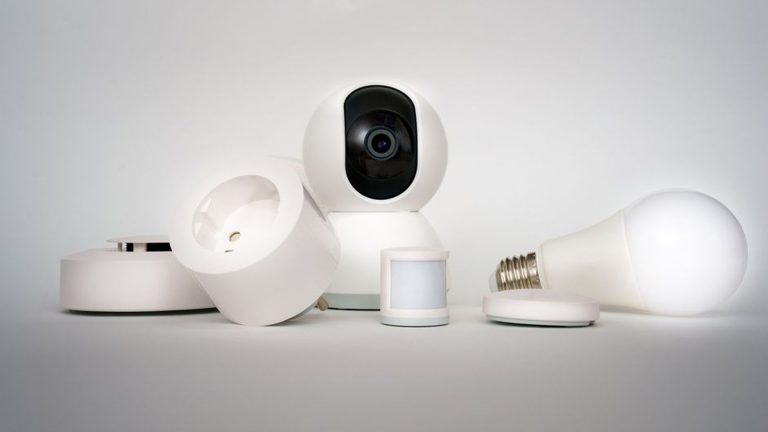
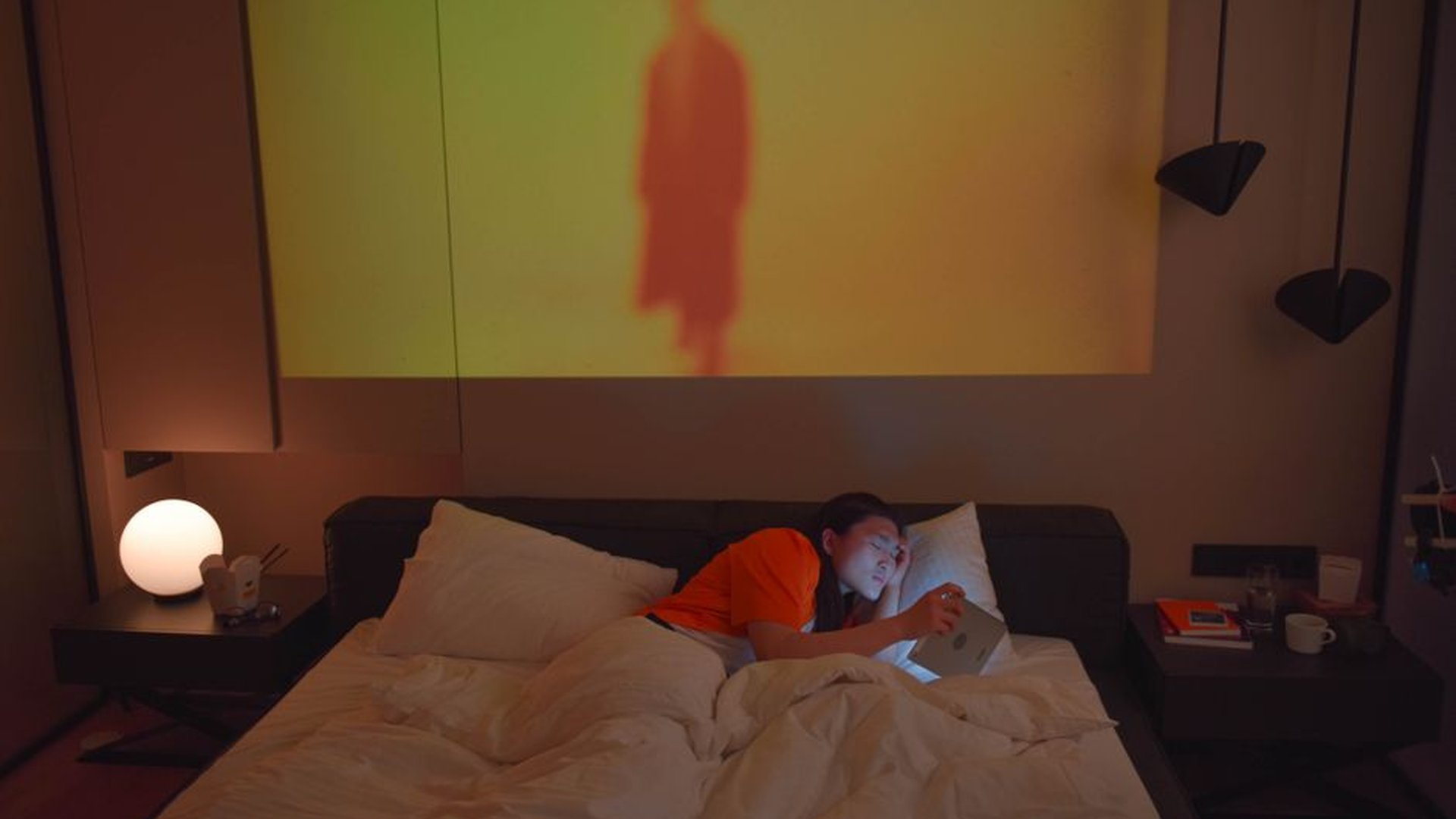
The first is the Philips Hue Go, a portable smart bulb that I use in my bedroom and kitchen. It’s not flashy, but it changed how I wake up and wind down. I set a 30-minute fade-in routine every morning. Instead of jolting awake to a harsh light, I wake to a soft, warm glow that mimics sunrise. On colder, darker mornings, it helps me feel less groggy. I also use it at night—dimming to 10% brightness 30 minutes before sleep. The result? I’ve cut my morning brain fog in half and fall asleep faster, even during winter months.
Second, the Google Nest Thermostat (3rd gen). I installed it in my current home in Portland, Oregon, and it’s quietly saved me $180 in heating bills over one winter. Unlike older thermostats that just turn heat on and off, this one learns my habits. It knows I leave for work at 8:30 a.m., so it gently lowers the temperature to save energy. When I’m on my way back, it warms up the house to a cozy 68°F before I walk in. It also integrates with weather forecasts—on foggy mornings, it adjusts heating to prevent cold spots. The interface is simple, and it works even when my Wi-Fi drops. That’s rare for smart devices.
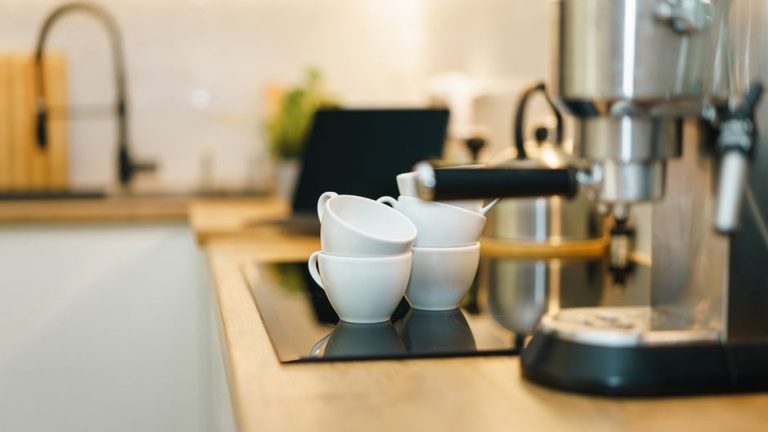
Third, the TP-Link Kasa Smart Plug (KS200). This might sound basic, but it’s the most reliable gadget I own. I use it to control my old coffee maker, a noisy machine that never had an app. Now, I can start it from my phone, have it brew automatically at 6:45 a.m., and turn it off 30 minutes later. No more burnt coffee. I’ve also used it to automate a space heater in my home office. It turns on only during winter hours and shuts off when I stop using the room. No sensors, no complex setup—just a simple plug that does what it promises.
Where Smart Home Tech Falls Short (And How to Avoid It)
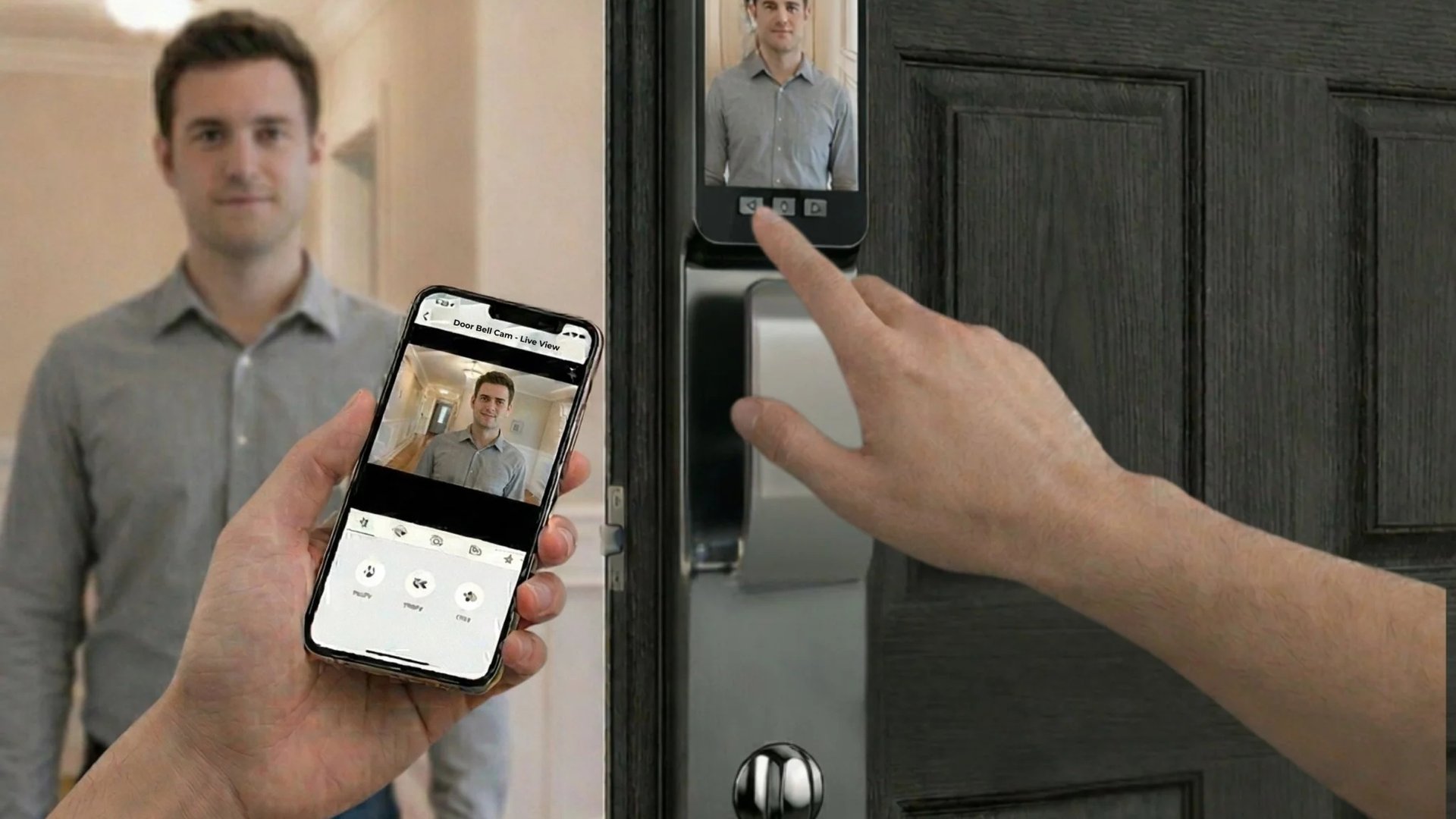
Not every smart product earns a spot in my life. I’ve been burned before—especially by devices that promise automation but fail under pressure. For example, I once tried a smart doorbell with facial recognition. It would send me a notification every time my neighbor visited, but 90% of the time, it misidentified my cat as a stranger. I ended up turning off the alert system and just using the doorbell as a regular video camera.
Another common pitfall is overcomplication. I tested a smart lighting suite that required six different apps to manage a single room. One app was for bulbs, another for color modes, and a third for schedules. I gave up after two days. The goal of smart tech isn’t to add more apps to your phone—it’s to simplify daily tasks, not create new ones.
The fix? Stick to open ecosystems like Google Home and Apple HomeKit. They integrate well with major brands, so you’re not locked into one company’s system. Also, avoid devices that require a separate hub unless you need it. Many modern smart plugs, bulbs, and thermostats now work directly over Wi-Fi—no extra hardware needed.
What to Buy When You’re Ready to Go Smart
If you’re tired of smart tech that underdelivers, here’s my checklist for building a real, lasting smart home:
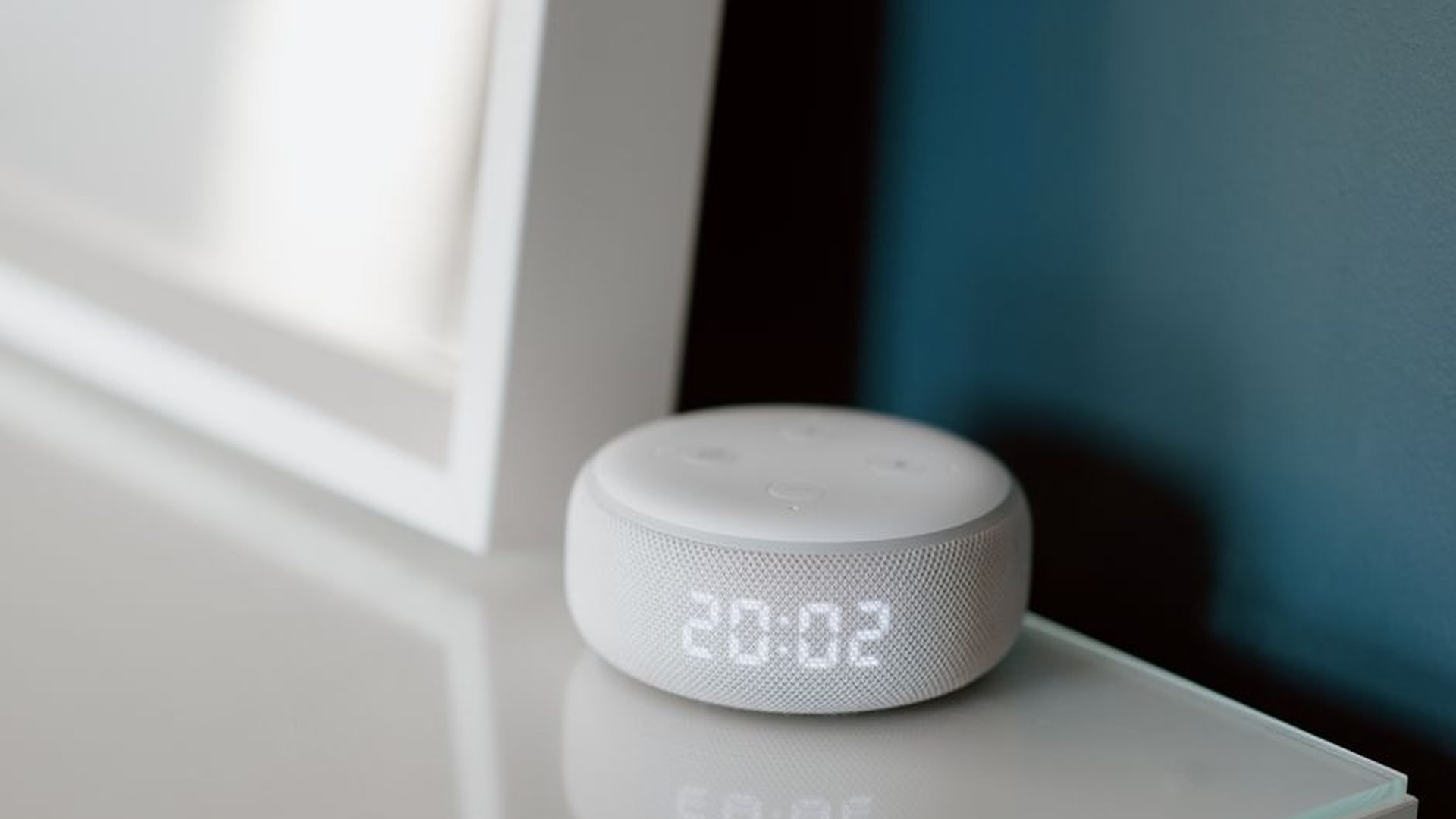
– Start with one core device: a smart speaker (like Amazon Echo or Google Nest) to control everything via voice.
– Add a smart thermostat: it pays for itself over time through energy savings.
– Plug in one smart power strip or smart plug to automate a high-usage appliance.
– Avoid anything with complex sensors, facial recognition, or camera-based features unless you’re tech-savvy and fully understand privacy trade-offs.
I still don’t have smart mirrors or robot vacuums—I don’t need them. But every morning, when I walk into a warm kitchen and see the Hue light gently glowing, I know this isn’t about showing off. It’s about making life easier, quieter, and more human. And that’s what practical smart home tech really is: not magic, but medicine for everyday life.
Final Thoughts: Smart Home Isn’t About Tech—It’s About Peace of Mind
After years of testing, I’ve learned the truth: the best smart home isn’t the most connected—it’s the one that stays quiet and works. I don’t see smart bulbs as toys. I see them as tools that help me sleep better, save money, and reduce stress. The devices that survive long-term aren’t the flashiest—they’re the ones that simply do their job, every day, without failing.
About the Author