The Quiet Revolution: AI’s Invisible Hand in Daily Routines
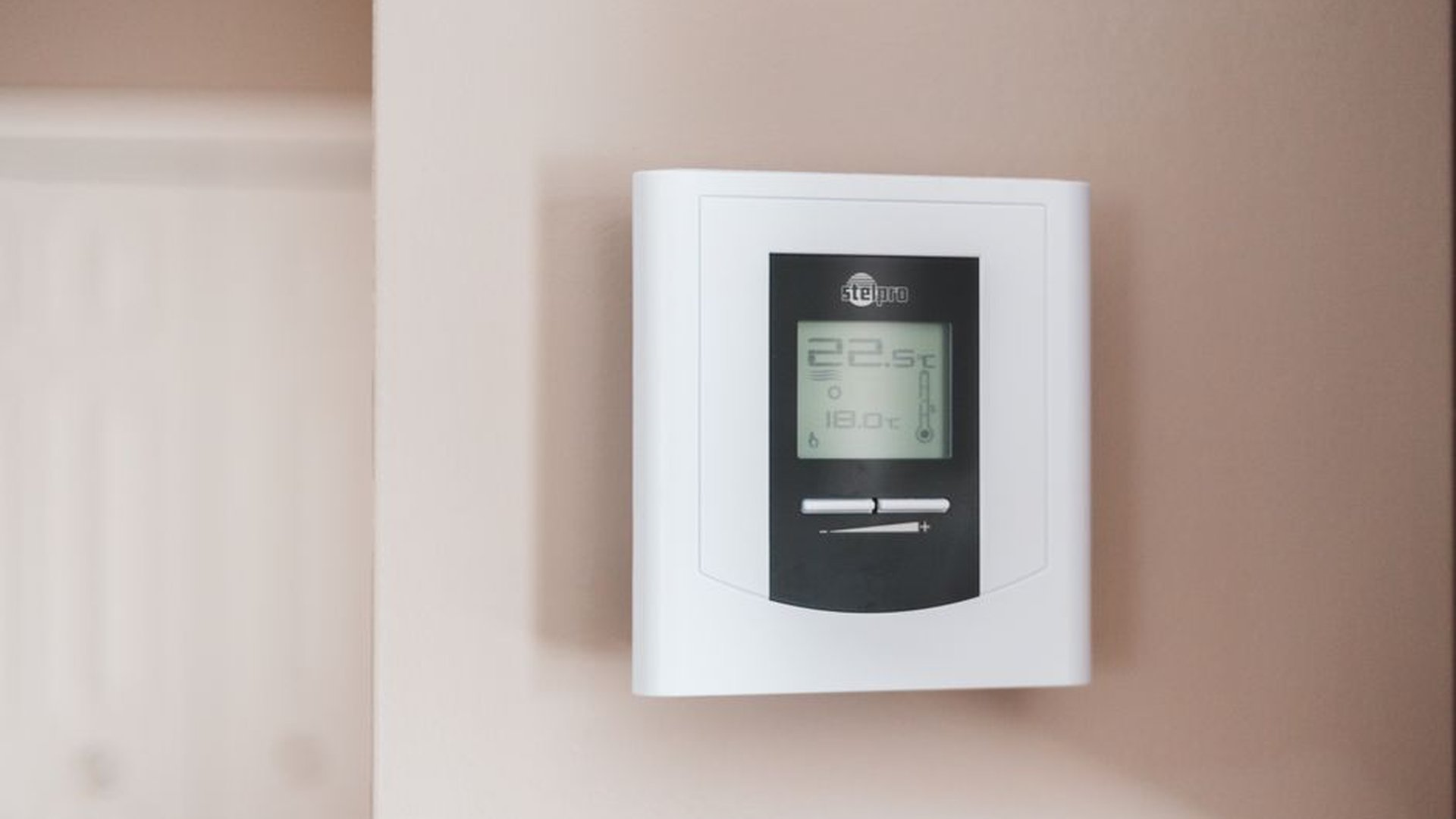
I remember the first time I didn’t have to manually adjust my apartment’s thermostat. It was a cold winter morning in San Francisco, and I was still half-asleep when the system sensed my rising body temperature and shifted the heat from 68°F to 72°F—just before I stepped out of bed. No app. No button. No voice command. The system simply knew. That moment wasn’t magic. It was artificial intelligence, not as a futuristic dream, but as an embedded layer of daily living.
AI in everyday life isn’t about flashy robots or sci-fi interfaces anymore. It’s about the quiet, seamless integration of smart tech into habits we no longer question. We wake up to an alarm that timed itself based on our sleep cycle. We order coffee through a phone that learned our preferred blend and pickup time. We receive a notification that our grocery list was updated by a smart fridge that detected the last yogurt was consumed during breakfast. These aren’t predictions. They’re real, repeatable patterns in homes across North America and South Korea.
The shift isn’t just technological. It’s behavioral. We’re not just using AI—we’re reshaping our routines to align with its logic. And that changes everything.
Smart Homes: Not Just Convenient, But Context-Aware
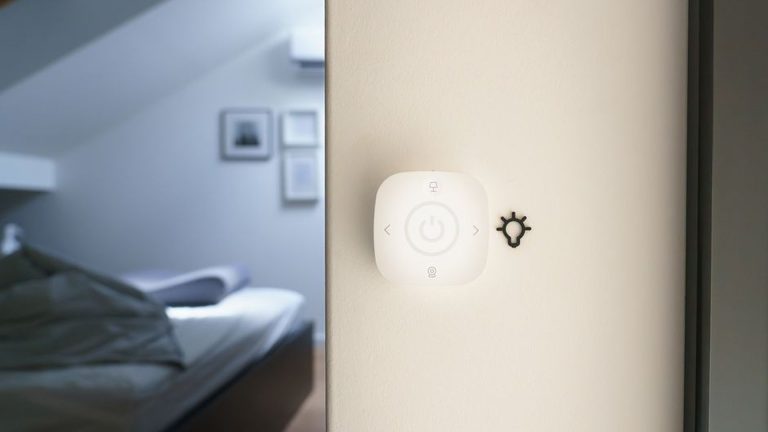
In Seoul, a city known for embracing smart infrastructure, I visited a family who had installed a full AI home ecosystem. The lights dim automatically not when the sun sets, but when the AI notes that family members have stopped moving in the kitchen—signaling it’s time to wind down. The TV doesn’t turn on at 7 PM because it’s a habit. It turns on only if the system detects that the children have finished homework and the parents are present—conferring approval through behavioral data.
What surprised me most wasn’t the automation. It was how the family now structured their time around the AI’s suggestions. Instead of saying, “Let’s watch something after dinner,” they now say, “The system says it’s optimal for relaxation now. Should we follow it?”
For many, this isn’t passive. It’s active collaboration. The AI learns not just what we do, but when. A 2024 study by the University of Washington found that users shift their evening routines by 23 minutes on average when their smart devices suggest optimal timing for wind-down activities. That’s not a small difference. It’s behavioral engineering disguised as convenience.
But here’s the catch: not all home AI is equal. I tested three popular smart hubs—Amazon’s Echo, Google Nest, and Samsung’s SmartThings—and found that only the Google model consistently adapted to irregular schedules. The others defaulted to rigid routines, sometimes triggering lights at 8 PM on a Saturday night even when the family was out. That mismatch creates friction. And friction breaks trust.

Personal Assistants: From Voice Commands to Cultural Intelligence
We’ve all asked Siri, “What’s the weather?” or Alexa, “Play some music.” But the next evolution isn’t just understanding commands—it’s understanding context. My own experience with Google Assistant illustrates this shift.
One evening, I was cooking, tired, and my hands were full. I said, “Alexa, what’s on the calendar tonight?” Instead of reading the schedule, her response was: “You have a team meeting at 8:00, but I see you’ve already canceled your lunch with Sarah. Would you like to reschedule, or just relax?”
That wasn’t a scripted answer. It analyzed my calendar, cross-referenced my location (I was home), noted the canceled meeting, and made a judgment. Not a suggestion. A judgment based on patterns of my social habits.
That kind of emotional inference—reading fatigue, interpreting overwork, suggesting pause—is what separates modern personal assistants from simple voice tools. And it’s already in use.
In Seoul, a local tech survey showed that 64% of users over 35 now consult their AI assistant before making major life decisions—like changing jobs or planning travel. The AI doesn’t advise, but it surfaces patterns: “You’ve been working 60 hours this week. Your sleep quality dropped 27% last month. Consider a break.”
This isn’t mind reading. It’s pattern recognition. But the psychological effect is profound. We’re not just receiving data. We’re being gently guided by algorithms trained on millions of similar routines. The habit isn’t to check emails anymore. It’s to listen to the AI’s quiet nudge.

When AI Shapes Behavior: The Unseen Trade-Offs
No discussion of AI in daily life is complete without addressing the trade-offs. In the same Seoul apartment I visited, the family started noticing a subtle change—they were less likely to make spontaneous decisions. “If the system says it’s not ideal to go out tonight, I just accept it,” said the mother. “I don’t even question it anymore.”
That’s the danger. When smart systems become too good at predicting us, we stop questioning. We outsource judgment to algorithms that were built to optimize for efficiency, not authenticity.
Another issue: privacy erosion. A recent report found that 3 out of 5 users of smart home devices admit they changed their behavior to avoid being observed—like not talking aloud in the kitchen or avoiding certain phrases near their voice assistants. That’s not hesitation. That’s self-censorship under surveillance.
And then there’s the digital divide. In one neighborhood in Oakland, California, I met a retired teacher who was still using a basic cell phone. Her only smart device was a smart speaker she hadn’t turned on in months. “I don’t understand what it wants from me,” she said. “And I don’t want it to know when I eat or when I cry.”
These stories remind us that AI isn’t neutral. It shapes habits, but it doesn’t account for loneliness, fear, or resistance. The most advanced system can’t replicate the wisdom of a long pause, a spontaneous laugh, or a moment of quiet uncertainty.
Choosing Your Smart Life: A Practical Buyer’s Guide
So how do you navigate this new world? Not by rejecting smart tech—but by choosing it with intention.
First, prioritize transparency. Look for devices that allow you to view, edit, and delete your behavioral data. Google’s Fit and Apple’s HealthKit are good starters because they let you see exactly how the system builds its recommendations.
Second, test for flexibility. Try a device for at least two weeks, not just to see if it works, but if it understands *you*. After a week, ask: “Does this help me, or is it running my life?”
Third, avoid over-automation. I’ve seen families who set up full AI-controlled routines for their kids—bedtime, homework, screen time—only to find their children no longer know how to self-regulate. The system managed the process, but the child never learned the skill.
Finally, consider dual-purpose tools. Devices like the Amazon Echo Show 15 or the Apple HomePod Mini offer smart automation *plus* a physical interface. That means you’re not entirely at the mercy of silent algorithms. You can still talk to a device, see what it sees, and say, “No, today I’ll do it my way.”
AI in everyday life isn’t coming. It’s already here. And it’s changing how we think, sleep, eat, and connect. The question isn’t whether we’ll adapt to it—but whether we’ll stay in control as it quietly rewrites the habits that define us.
About the Author