How artificial intelligence devices can improve personal productivity
From morning routine to work mode: The smart home revolution
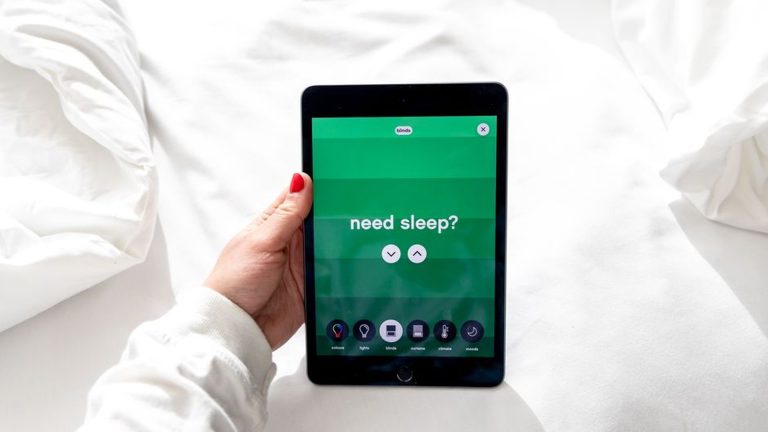
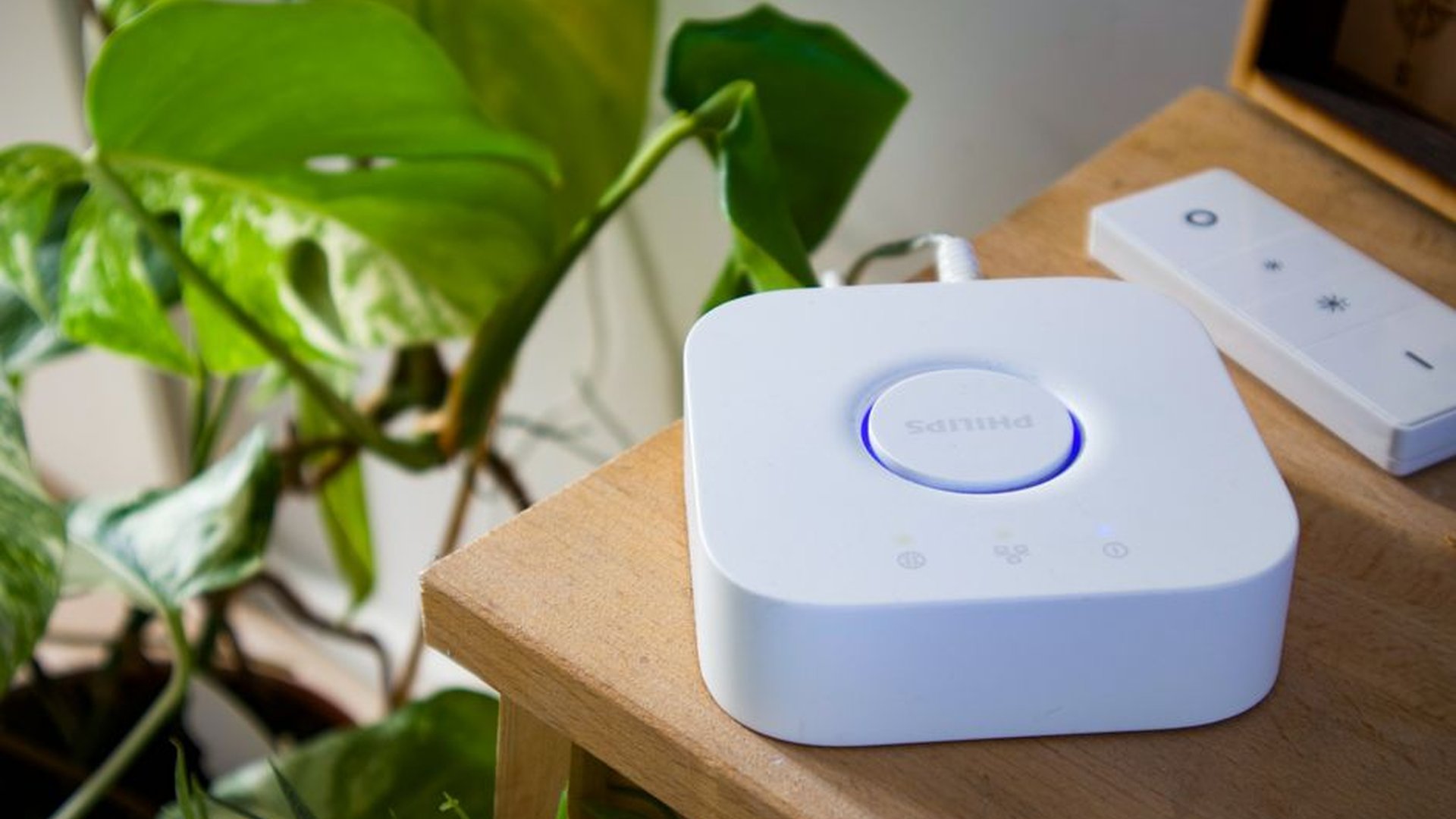
Last winter, I woke up to the sound of my Philips Hue lights getting brighter—not because I had dozed off, but because my AI smart alarm clock sensed my sleep cycle and adjusted its wake time accordingly. This is not a scene from a science fiction movie. This is my new normal. Smart devices are no longer just gadgets; they are co-pilots in our daily lives, integrating seamlessly into our daily lives to reduce friction and increase personal output. In cities like Austin and Seattle where remote working is common, people are increasingly relying on AI-powered ecosystems to manage everything from lighting and climate to personal reminders and calendar syncing. In my own home, the Google Nest Hub learns my habits — dimming the lights at 10 p.m., turning off the air conditioner when I get to work, and even adjusting the thermostat based on the weather forecast. It’s not convenience, it’s efficiency disguised as simplicity.
AI-powered work tools: turning chaos into clarity
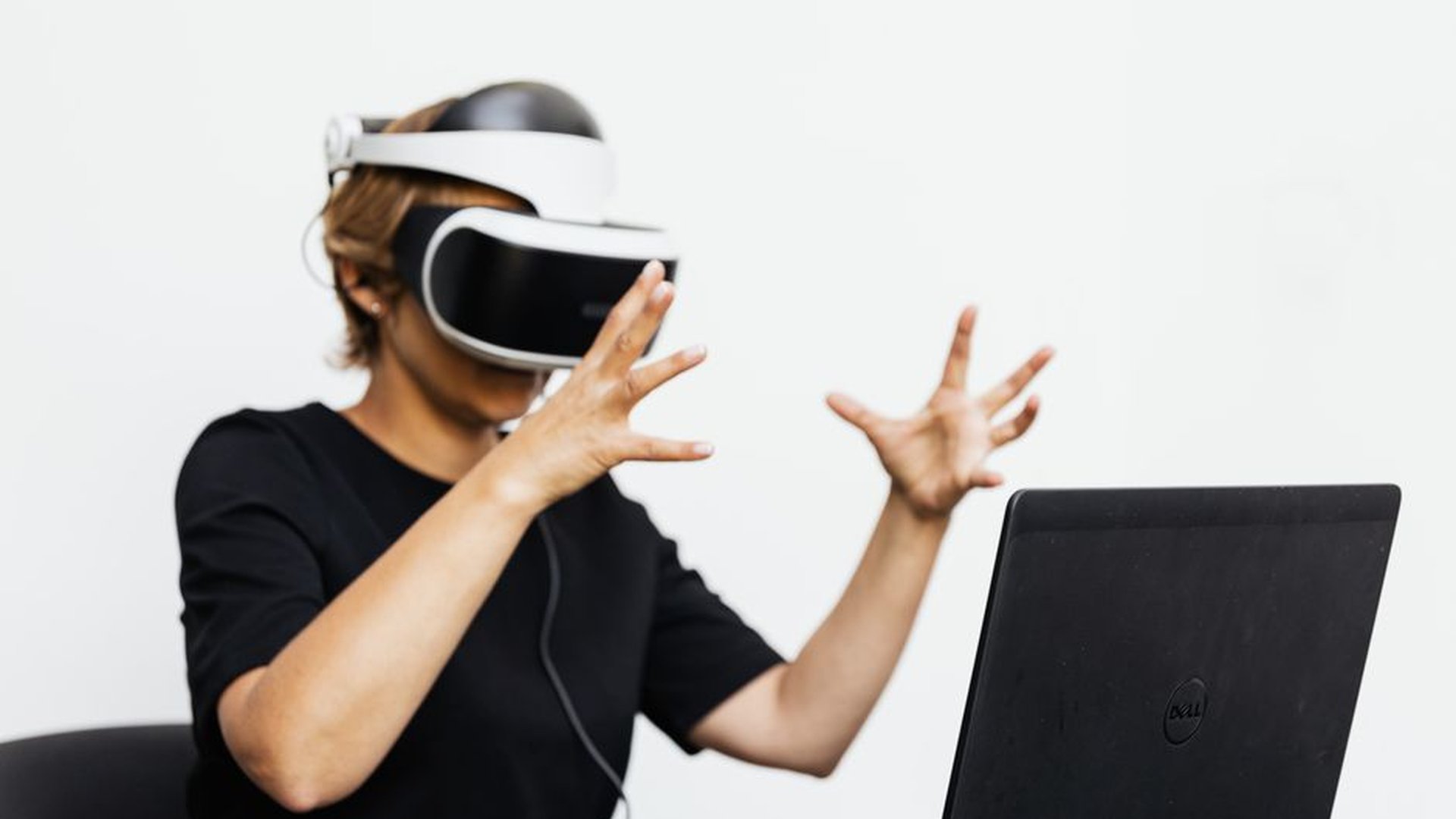
I’d used dozens of productivity apps over the years—Trello, Notion, Todoist—until I discovered Apple Vision Pro’s AI-powered note-taking interface. It’s more than just a headset; it’s a spatially aware personal assistant. During a video call with a client in San Francisco, I used its real-time transcription and context-aware highlighting to automatically mark action items, deadlines, and follow-up actions without the need for manual annotation. The device uses on-device artificial intelligence to recognize changes in speaker and changes in mood, so I can instantly see when a certain point is emphasized or acknowledged. This feature saves me nearly 40 minutes a day in post-meeting cleanup. My 10-hour work days, previously fragmented by context switches, now feel like a carefully orchestrated process. For freelancers, remote team leaders, and digital nomads, tools like these aren’t luxury add-ons—they’re essential to staying competitive in a fast-paced work culture.
The Invisible Power: Voice, Data and Silent Automation
One of the most underrated aspects of modern AI devices is their ability to run quietly in the background. While most people focus on visible apps or smart speakers, the real productivity improvements occur at the invisible layers—data normalization, predictive scheduling, and adaptive interfaces. Take, for example, my Samsung Galaxy S24 and its built-in AI assistant (now called Bixby 3.0). It analyzes my calendar, location, email patterns, and even typing rhythm to predict my needs. As I drove through downtown Dallas, my next meeting starting in 12 minutes, the phone automatically displayed directions, dimmed the screen for better visibility, and started playing a short excerpt of the presentation I had uploaded earlier. There are no orders. No delays. It just happened. This silent automation can significantly reduce cognitive load, especially during high-stress job transitions. The system doesn’t ask for permission – it learns. Once it learns your workflow, it starts making micro-decisions that save time in total each week.
What works and what doesn’t: real user insights
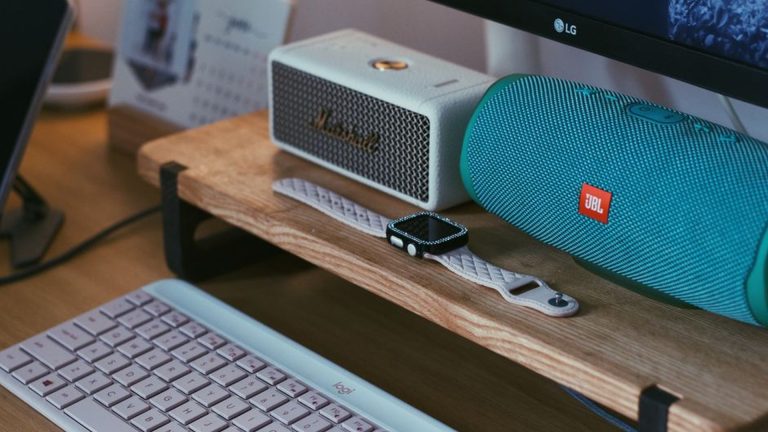
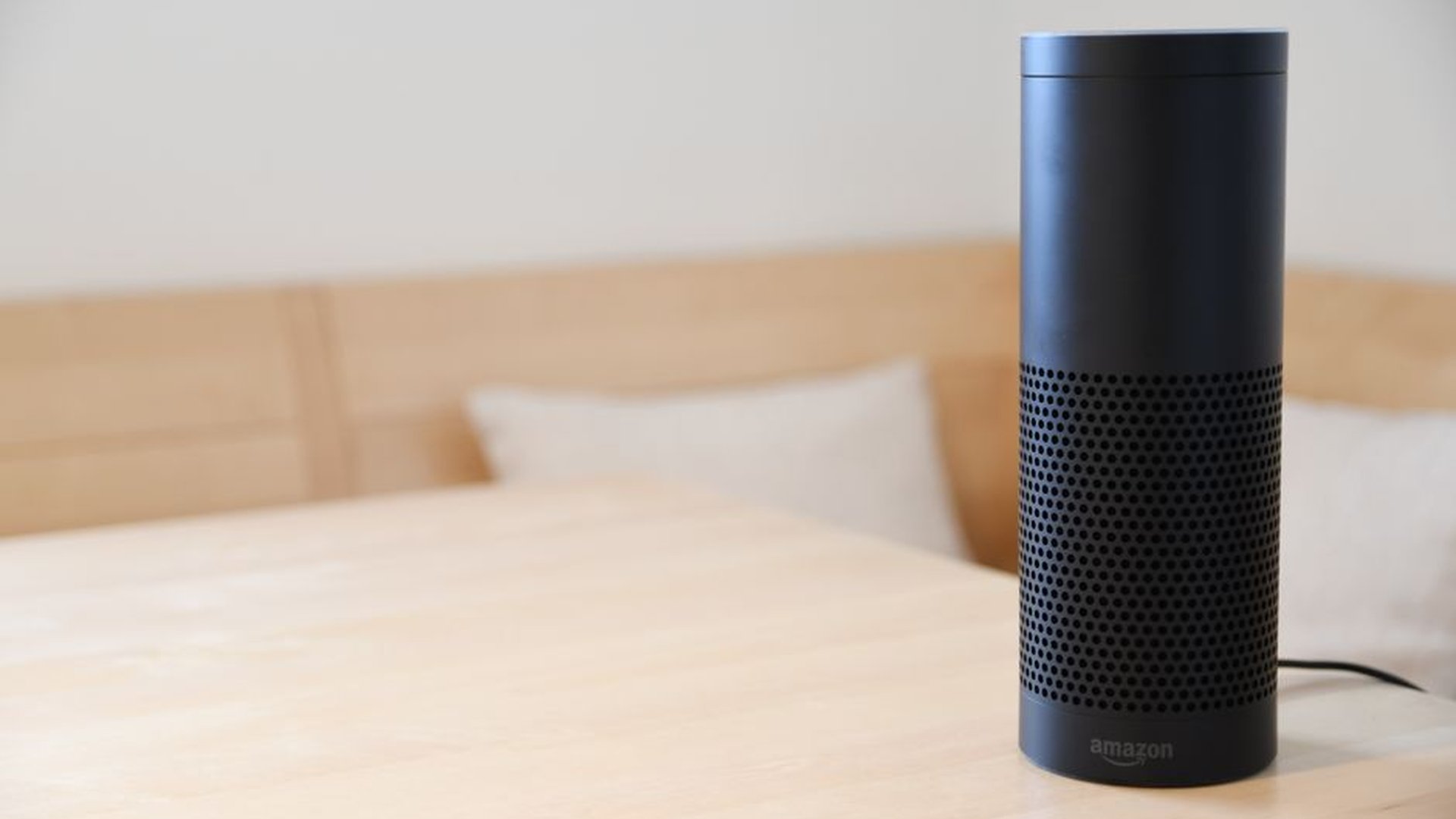
Not all smart devices deliver on their promises. I recently tested the Anker SoundCore 2000 smart speaker with AI environmental control. It claims to be able to adjust the volume based on background noise, the time of day, and even your mood (via a connected biometric wristband). In practice, it often overreacted—cutting off the audio during quiet moments in a podcast, or shouting loudly during a phone call because it misread my tone. The problem is not the technology itself, but the lack of user calibration. Unlike the Google Nest Mini, which lets you set custom sensitivity levels and train the device over time, this model tries to get too smart too fast. My takeaway? Choose devices that offer user control, not just passive intelligence. I now keep my primary AI assistant on a Google Pixel 6a because it allows me to improve its behavior with simple voice corrections. It learns, but first it listens.
The future is adaptive: what to look for in 202
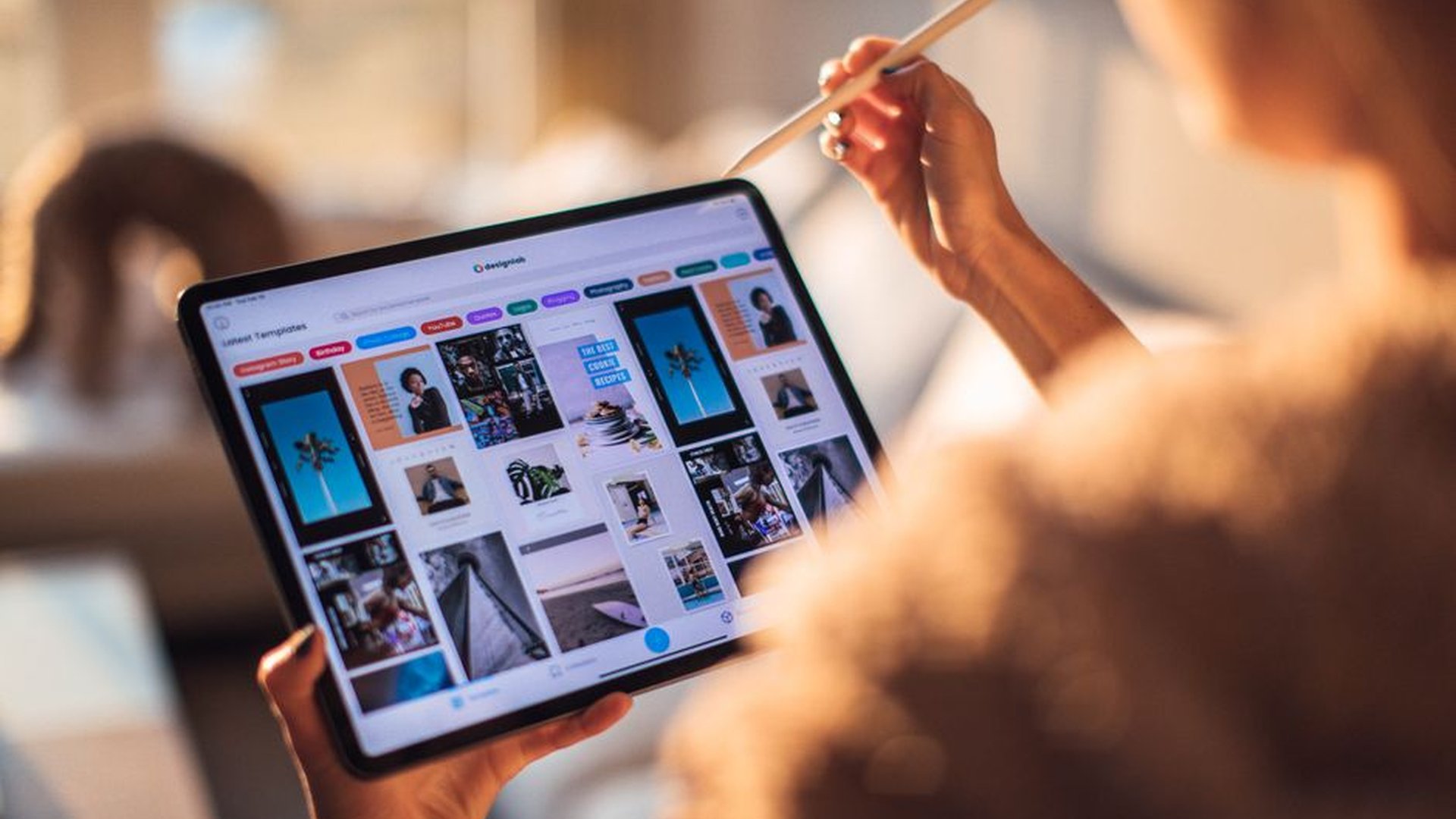
Going forward, the next wave of smart devices will not just respond to commands, they will adapt to your energy levels, stress indicators, and even emotional context. Apple’s rumored 2025 iPad Pro AI chip is expected to be able to perform real-time focus level detection based on facial microexpressions and eye tracking. Imagine your device automatically switches from brainstorming mode to deep work mode when it detects mental fatigue. At this point, smart devices are more than just productivity tools, they are architects of personal lives. For those looking for value, I recommend starting with a modular system: a basic smart speaker, a compatible display (like the Amazon Echo Show 15), and an AI-optimized smartphone. Then add peripherals like smart plugs, motion sensors, and voice-controlled lighting. Avoid all-in-one ecosystems that lock you in. Flexibility today ensures longevity tomorrow. My advice? Don’t buy a gadget just because it’s smart. Buy one because it gets to know you and helps you stay ahead of the curve, not just keep up.
About the Author