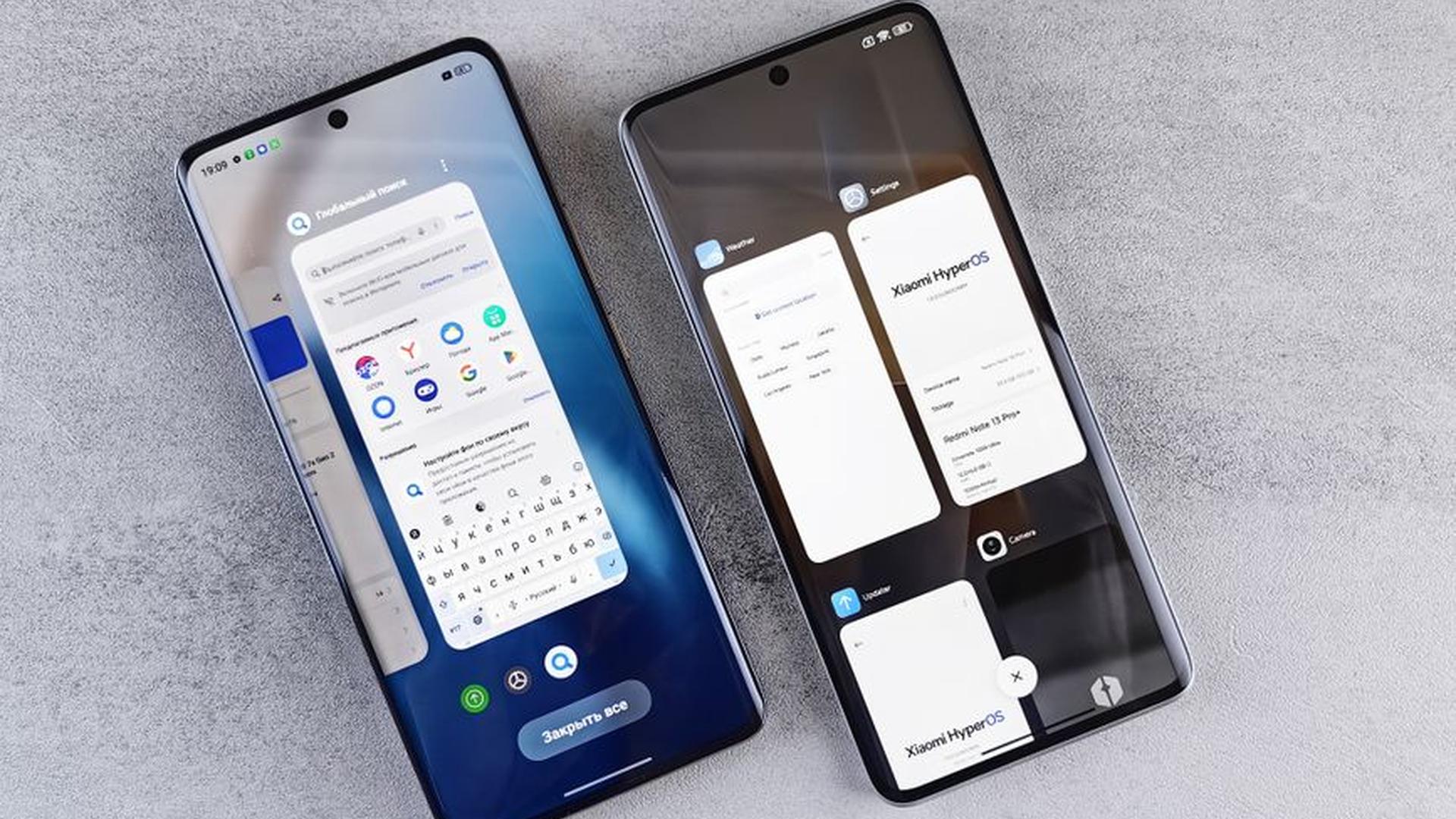
From Parameters to Experience: The New Standard in Tech Selection
We’ve all been there. You’re scrolling through a product page, eyes darting across a wall of numbers: 120Hz refresh rate, 108MP camera sensor, 24-hour battery life, 5G connectivity. The specs look impressive—maybe even overwhelming. But then you ask yourself: does any of this actually translate to a better experience in my hands, in my daily routine, in real life?
For years, tech buyers operated under a simple assumption: more specs meant better performance. But the truth is, a device that maxes out on paper often fails in practice. That’s why we’re witnessing a shift—no longer are we choosing devices based solely on specifications. The new standard in tech selection is experience. It’s not just what a device *says* it can do. It’s what it *does* for you, every time you use it.
This isn’t about abandoning data. It’s about interpreting it through the lens of human use. Let me walk you through how I’ve redefined my own tech decisions—after years of chasing specs, only to end up with a $1,200 phone that lagged during video calls and overheated when streaming.
Why Specs Lie, But Experience Doesn’t
I remember buying a flagship Android phone last year, lured by its 100MP camera, 6.8-inch OLED display, and 50W fast charging. The marketing said it was “designed for creators,” and I believed it. But within a week, I was frustrated.
The camera app was bloated with features that didn’t work reliably. The 100MP mode only created files so large they crashed the cloud sync. The 50W charging? It took 20 minutes just to hit 40%—half the advertised time. And don’t get me started on the overheating. I was in a crowded cafe, trying to send a quick video, and the phone shut down mid-stream.
Meanwhile, my old mid-range device—underpowered by any metric—held up better. Why? It had a simpler, more stable software experience. It didn’t overheat because it wasn’t overworking. It didn’t crash when I changed the focus point in a photo. It just… worked.
That’s the turning point. Specs don’t lie—but they don’t tell the full story. The real test is not how fast the processor is, but how smoothly your favorite app runs while you’re on a call. Not how many megapixels you have, but whether your kid’s birthday photo comes out sharp and natural under low light.
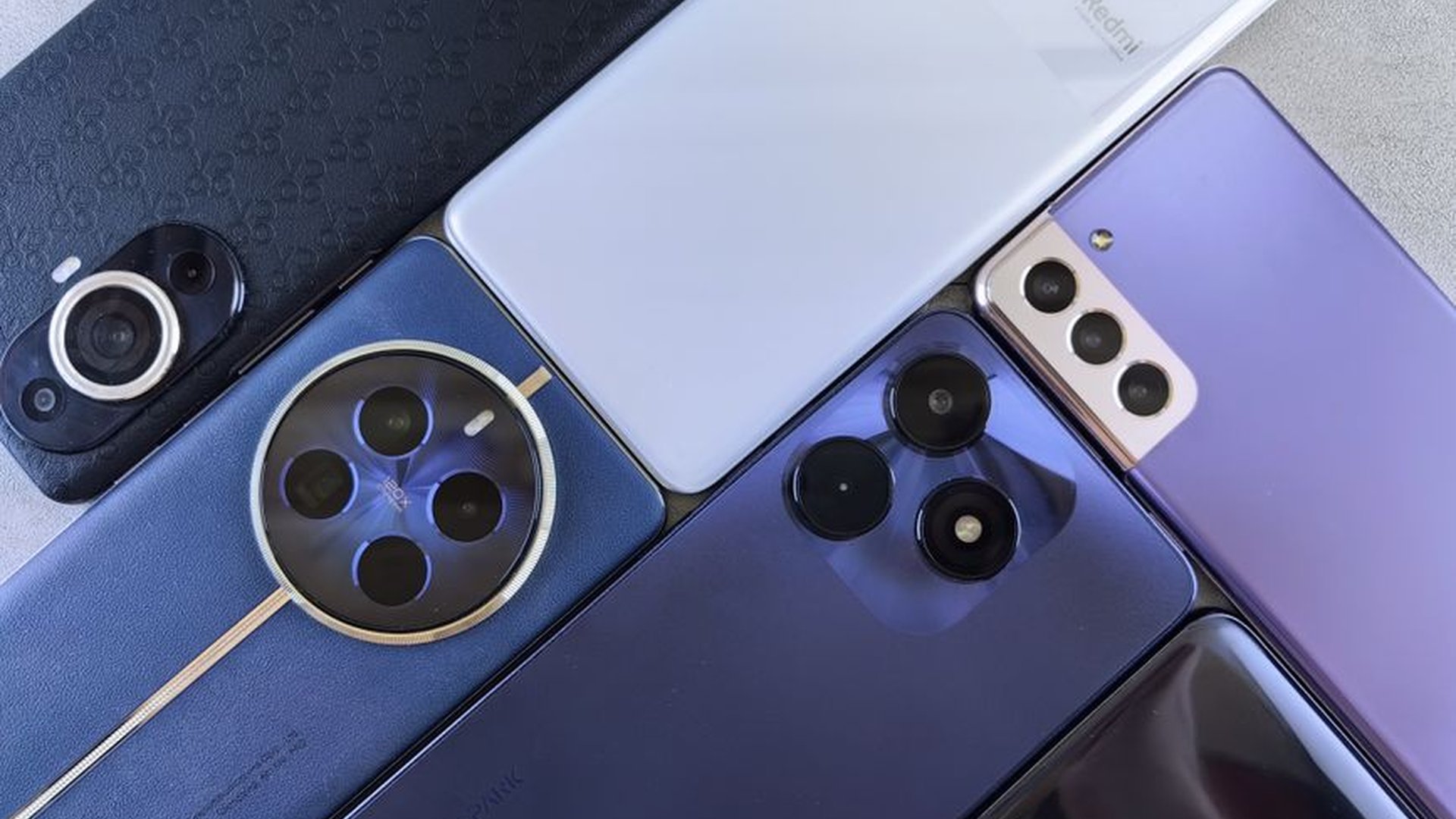
The Hidden Tests: Real-World Scenarios Matter
After that painful lesson, I started building a new evaluation framework—one that weighs experience over technical jargon. Here’s what I now check before finalizing any purchase:
– **Is it usable under stress?** I test the device during a 90-minute video call using Zoom and Google Meet. No background music, no extra apps. I watch for lag, audio glitches, or thermal throttling.
– **Does it keep up with your rhythm?** I use it for a full day—checking emails, using navigation, taking photos, and multitasking. How often does it freeze? How long does it take to switch between apps?
I tested the OnePlus 12 and Samsung Galaxy S24 in this way. The OnePlus booted up fast, handled multitasking well, and maintained comfortable temperatures. But after two hours of continuous video recording, it started to stutter and drop frames. The S24, on the other hand, maintained stable performance, even under heavy use. It didn’t break a sweat.
Another critical factor I test: **battery life under mixed use**. I don’t just check the rated capacity. I simulate a full day of moderate to heavy usage—social media, GPS, streaming, messaging. I track how long it lasts before hitting 20%. The difference between a 24-hour claim and a real 16-hour experience can be a game-changer.

Software That Feels Like an Extension of You
One of the most underrated elements in tech experience is software behavior. A phone with a 108MP camera might not matter if the app makes you wait 3 seconds to capture a photo. Or if it takes three clicks to turn on the flashlight.
That’s why I now benchmark my devices on how intuitive they feel. How fast is the unlock process? Is the interface responsive, or does it delay when you tap on a button?
Take the Google Pixel 8 Pro. Yes, it has a 48MP main sensor and a 30x zoom lens, but what stands out is how the camera app adapts to context. It auto-detects photos in night mode, adjusts brightness naturally, and uses on-device AI to improve focus and color accuracy. Even when I was in a dimly lit restaurant in Seattle, the photo looked natural and balanced—no overprocessing, no blurring.
The software isn’t just functional. It *anticipates*. It learns. And it doesn’t make me feel like I’m fighting the device to get a result.

The Cost of Over-Engineering
Here’s a hard truth: not every feature adds value. Some are just distractions. For example, many new laptops now include dual HDMI ports, Thunderbolt 4, and even a headphone jack—features that sound impressive on paper but rarely affect daily use.
I once bought a premium 17-inch gaming laptop with a 4K OLED screen and a 16-core CPU. I was excited—until I used it in a coffee shop. The battery lasted only 2.5 hours. The cooling fans screamed. The screen reflected too much light, making it hard to see.
Meanwhile, a smaller 13-inch MacBook Air with a 1080p screen, 8-core chip, and no extra ports lasted 14 hours, stayed cool, and worked perfectly in the same environment. It wasn’t fighting to keep up.
This isn’t about settling for less. It’s about choosing value. Experience often trumps raw performance. A device that handles your typical workflow—emails, video calls, light editing—without strain is more valuable than one that crashes every third app switch.

How to Make the Right Choice: A Buyer’s Checklist
Based on my journey—from choosing based on specs to demanding a seamless, frictionless experience—I now follow a simple 5-point checklist before any purchase:
1. **Test for 24 hours in real conditions** – Use it as your primary device. Don’t just charge it and check the specs.
2. **Check software stability** – See how it performs under multitasking and background use.
3. **Simulate your daily routine** – Replicate your app habits, screen time, and connectivity patterns.
4. **Watch for thermal behavior** – Heat often indicates performance bottlenecks or poor design.
5. **Compare real-world results, not marketing claims** – Look at independent benchmarks and real user logs.
Final Verdict: Experience Is the Only Real Spec
I’ve learned that the best tech isn’t the one with the most features or the highest numbers on a spec sheet. It’s the one that fits your life—without forcing you to adapt to it.
From Parameters to Experience: The New Standard in Tech Selection isn’t just a slogan. It’s a mindset shift. When you stop chasing specs and start measuring how a device feels in your hands, you’ll find that the best products aren’t the loudest. They’re the quiet ones that just… work.
So before you buy that $1,000 tablet, ask yourself: when was the last time you used it *without* checking the specs? That moment—when you’re not thinking about performance, but simply enjoying the experience—that’s when you’ve made the right choice.
About the Author