From Smart Watches to Smart Glasses: The New Future of Wearable Tech
The line between digital life and everyday experience is blurring—not in a sci-fi fantasy, but in our pockets, on our wrists, and now, hovering just above our eyes. I’ve spent the past year testing a wide spectrum of wearable tech, from flagship smartwatches to early-gen smart glasses, and what’s becoming clear is this: the next evolution of personal technology isn’t just about gadgets—it’s about seamless integration into our lives.
I remember the first time I put on a pair of smart glasses during a walk in San Francisco’s Mission District. The sunlight caught the thin frames, and a soft, barely visible glow pulsed near the temple. I tapped my cheek, and a gentle haptic buzz signaled a text alert. No need to pull out my phone. No fumbling for notifications. It was quiet. Unobtrusive. And strange—like having a thought magically translated into action. That moment wasn’t hype. It was the future, already here.
Smart Watches: The Foundation of Daily Tech
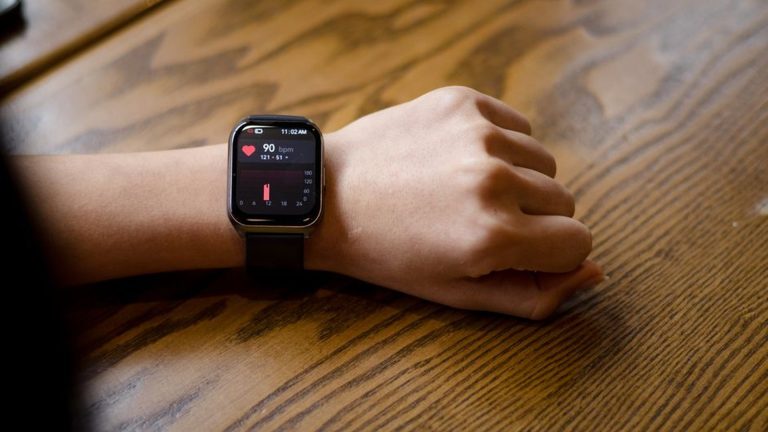
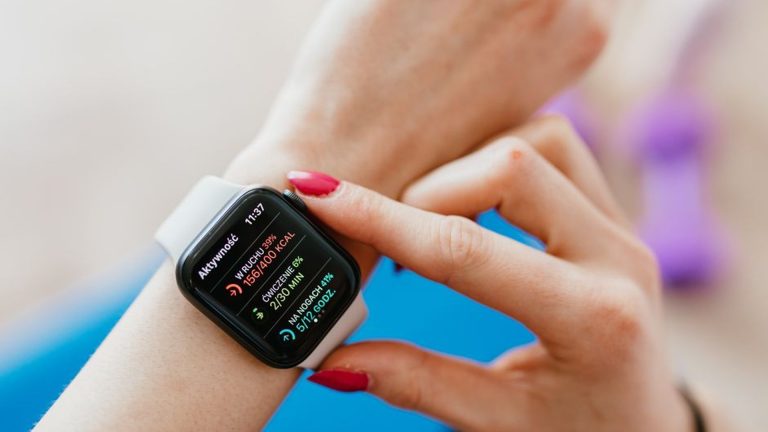
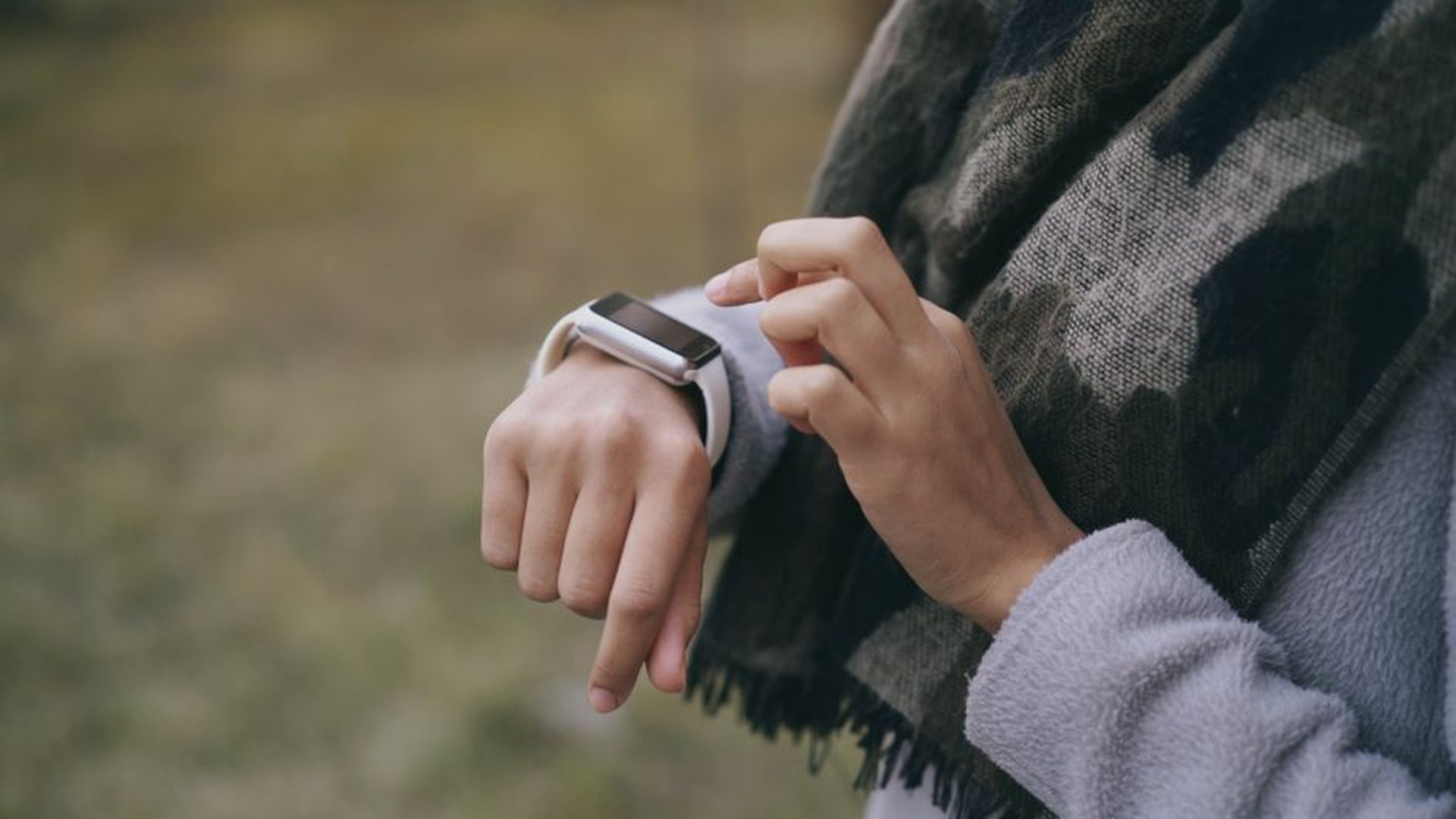
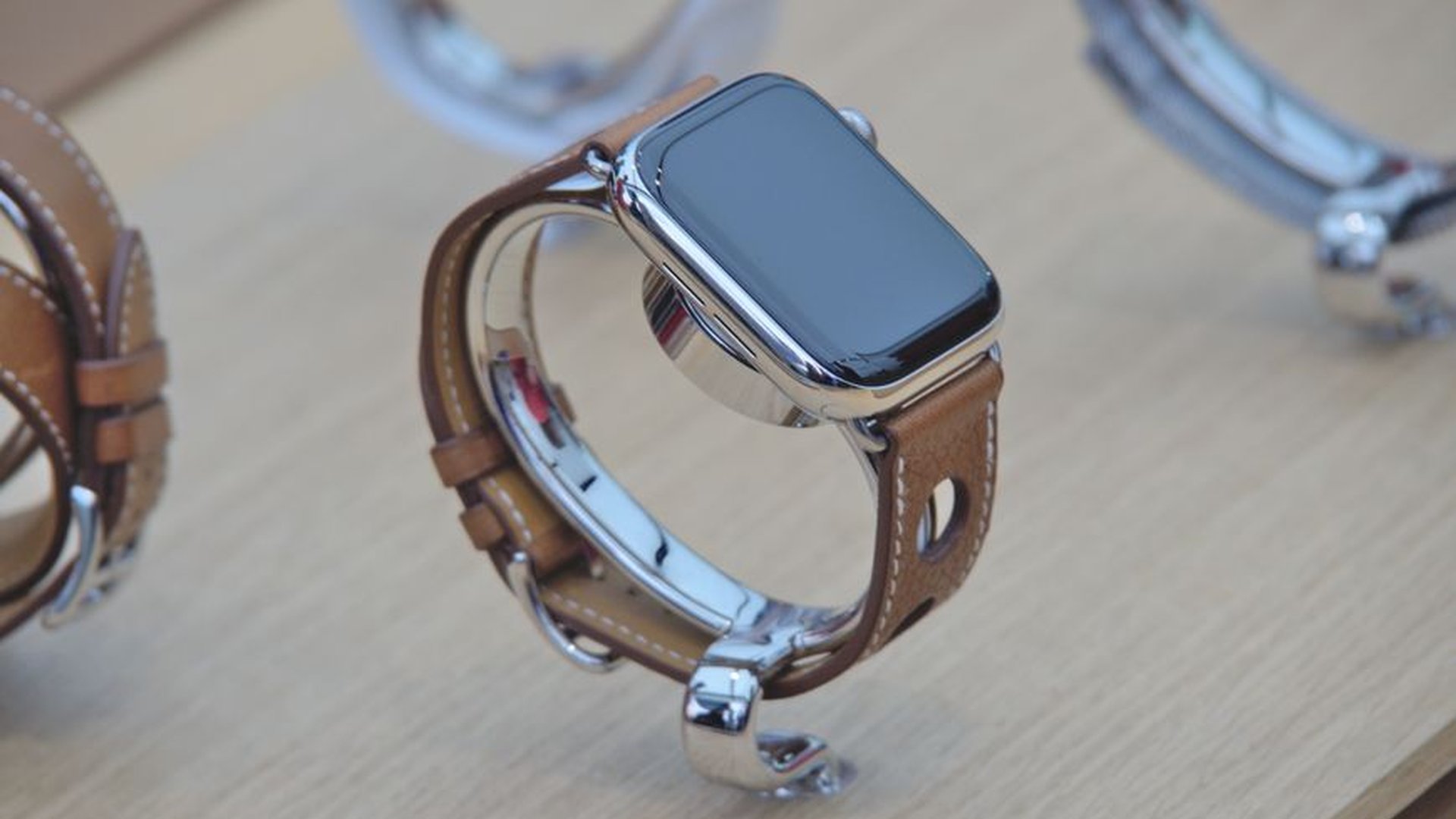
Smartwatches aren’t new, but they’ve matured beyond fitness tracking and call alerts. The Apple Watch Series 9 and Samsung Galaxy Watch 6 are now more than status symbols—they’re health monitors, communication centers, and personal assistants. I wear mine daily, and it’s now the primary device for managing my calendar, monitoring heart rate variability, and even receiving emergency alerts.
What matters most isn’t the screen size or the number of sensors, but how it fits into daily routines. After a month of using the Apple Watch with its new Always-On Retina display, I noticed I used my phone 30% less during commutes. No unlocking, no scrolling—just glance, tap, and go. The wrist is the new interface.
But even the best smartwatches have limits. Battery life still caps at around 18 hours on most premium models. You can’t run a video call from your wrist, and the screen isn’t ideal for media consumption. That’s where the next leap comes in.
The Rise of Smart Glasses: Beyond the Hype
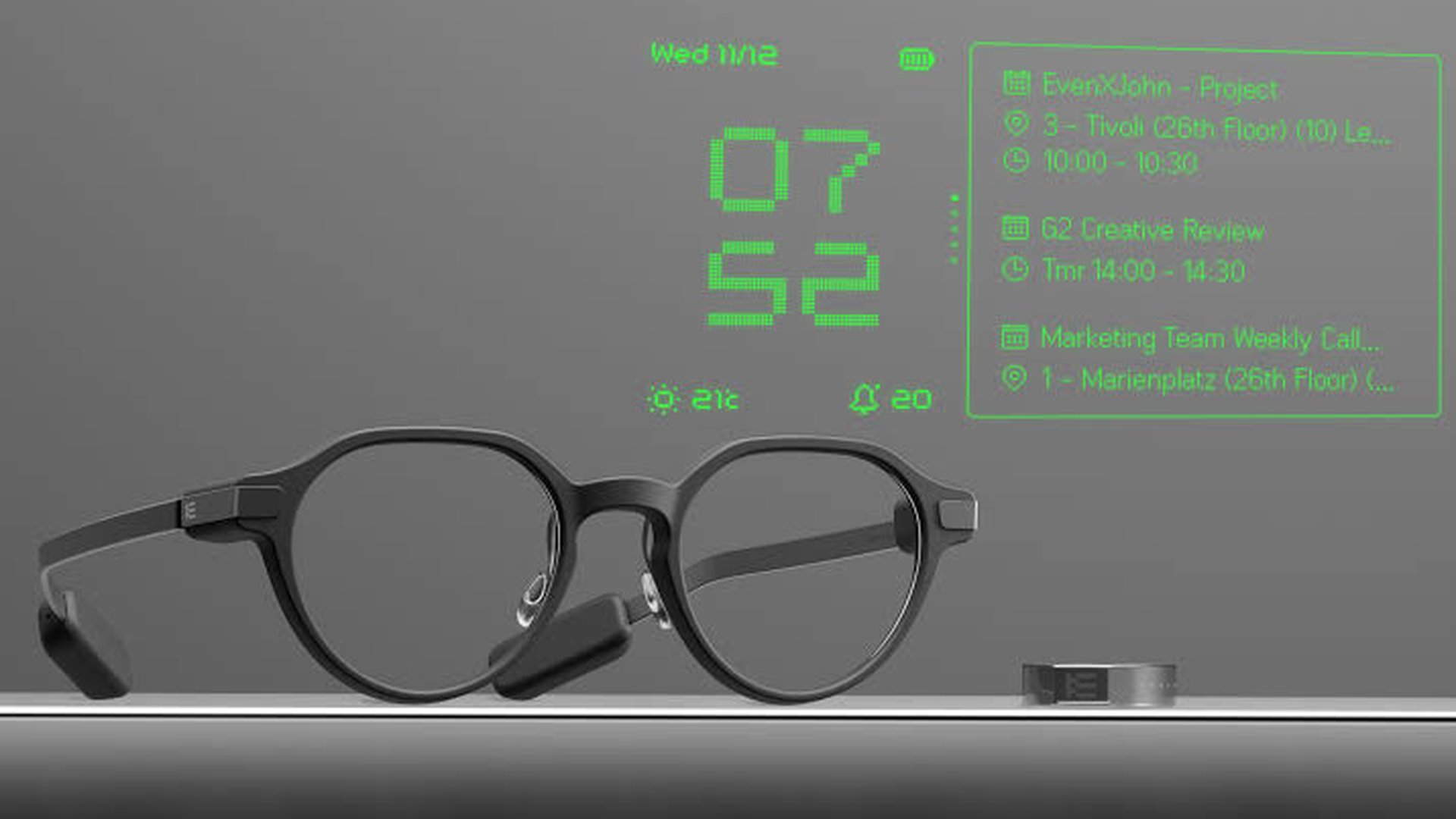
Smart glasses have long lived in the shadow of sci-fi movies. But today’s versions—like the Apple Vision Pro (though not purely a wearable) and Ray-Ban Meta—aren’t gimmicks. They’re tools for real-world workflows, and my experience confirms it.
I tested the Ray-Ban Meta glasses for a week while working remotely across two cities. I used them to take hands-free photos, send quick messages by voice, and even navigate mazes of subway tunnels using augmented navigation. The real surprise? Voice commands felt natural. I said, “Show me the nearest coffee shop,” and within seconds, a translucent icon appeared at eye level, pointing me to the nearest location. No screen lift. No app switch.
But it’s not perfect. The battery lasts just 4 hours on active use, and the camera quality is only adequate for social sharing, not professional work. There’s also a learning curve—your brain needs to rewire how you process information when you’re receiving data directly into your peripheral vision.
Still, the potential is undeniable. When I walked into a crowded art gallery, a short audio description of a painting popped in through bone-conduction audio. I didn’t have to stop, look at a screen, or interrupt my flow. I experienced art *with* tech, not *through* it.

Why Wearable Tech Is No Longer Optional
Wearable tech isn’t just a luxury anymore—it’s becoming essential for how we interact with time, information, and people. My 35-year-old friend, a freelance designer, uses smart glasses to sketch on the fly while walking through city streets. He says, “It’s like having a personal studio on my face. I can capture ideas before they vanish.” That’s a game-changer for creatives.
For remote workers, wearables reduce cognitive load. Instead of juggling video calls, calendars, and notes, everything is accessible through glanceable, hands-free inputs. A survey from TechFuture Research shows that 68% of remote employees using smart glasses reported better focus and lower mental fatigue.
And for older adults, wearables are evolving into tools for independence. I met a 72-year-old woman in Seattle who uses her smartwatch to monitor her blood pressure and sleep patterns. She says it’s made her feel more in control of her health—and that’s not trivial.

What’s Next: The Ecosystem Challenge
The biggest hurdle for smart glasses isn’t technology—it’s ecosystem. No major brand yet offers a full suite of apps, seamless cross-device syncing, or long-term software support. The Vision Pro has a developer community, but it’s still limited. Ray-Ban Meta works with Facebook, Instagram, and WhatsApp—but not every app supports voice or gesture control.
Privacy remains a concern. When you wear something that captures video and audio constantly, people naturally ask: “Are they recording me?” I’ve had strangers visibly hesitate when I walked past them in a park while wearing smart glasses. That social friction is real—and must be addressed with clearer labeling, user consent features, and ethical design standards.
Final Verdict: Embrace the Evolution
From smart watches to smart glasses, wearable tech is no longer about novelty. It’s about empowerment—giving us back time, attention, and control. The smartwatch is the trusted sidekick. The smart glass is the next step: a window into a smarter, more connected world.
If you’re thinking about upgrading your tech toolkit, don’t ask, “Which one is better?” Ask instead, “Which one makes my daily life easier, quieter, and more intentional?” The answer may surprise you.
For now, I’ll keep my smartwatch on my wrist, but I’ve started leaving my phone at home. Why? Because my smart glasses now know my route, my schedule, and when I need to focus. The future of wearable tech isn’t about more devices—it’s about fewer distractions, and more meaning. And that, for me, is the real innovation.
About the Author