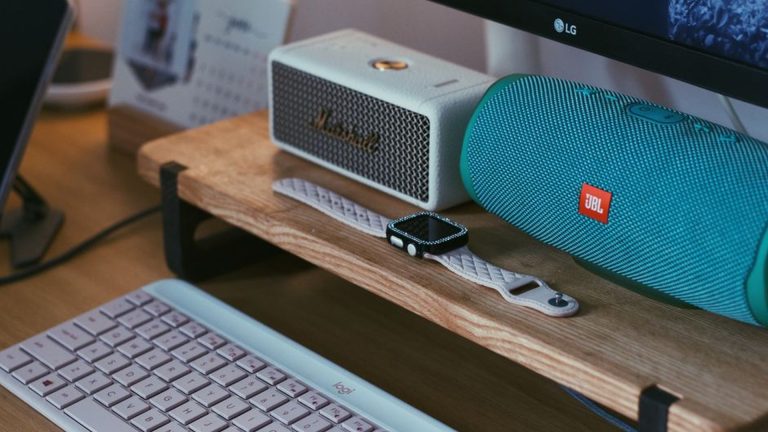
How to Choose the Right Sport Smart Device for Success
The moment I laced up my running shoes for the first time in six months, I wasn’t just chasing a personal best—I was chasing consistency, progress, and the kind of daily discipline that doesn’t come from willpower alone. That’s when I realized: I needed more than a pair of sneakers and a calendar. I needed a partner. Enter the sport smart device. After testing over a dozen wearables—from budget trackers to premium GPS watches—here’s what I’ve learned about picking the right one to not only record your life, but help you live it better.
Know Your Goals Before You Buy
Before you swipe through another 700-dollar smartwatch with a titanium case, ask yourself: What am I really trying to achieve? If you’re a casual hiker who wants to count steps and check heart rate, a basic fitness tracker like the Fitbit Charge 6 might be all you need. But if you’re training for an Ironman, chasing PRs in cycling, or using heart rate variability to monitor recovery, you’ll want a device with advanced metrics, accurate GPS, and long battery life.
I once met a runner in San Francisco who wore a $99 band that only tracked steps and sleep. He was thrilled—until he realized his pace data was off by 12%. That gap between expectation and reality cost him a 10K race. Lesson: Your sport smart device shouldn’t just be smart. It should be *accurate*.
Track What Matters to You
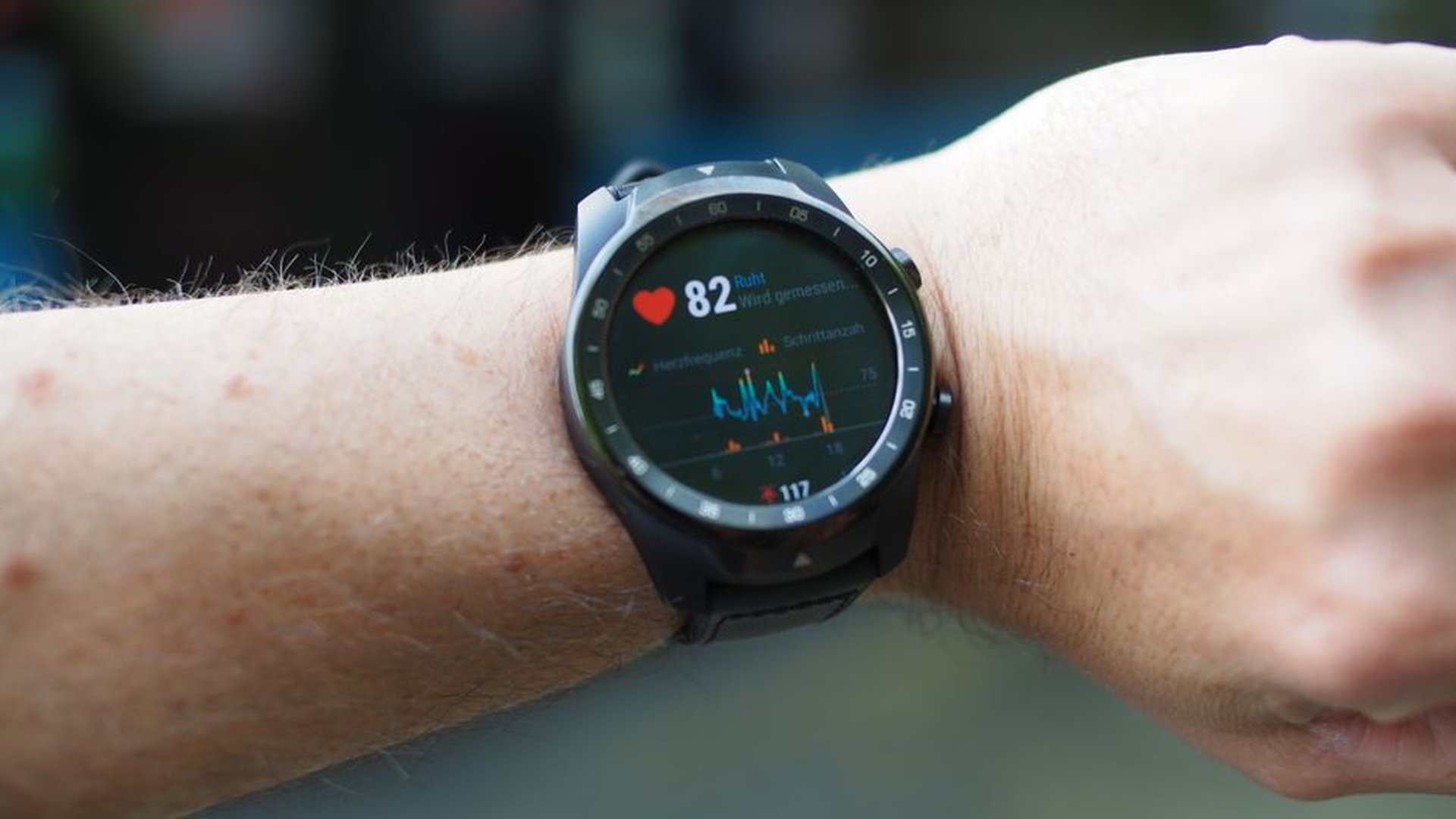
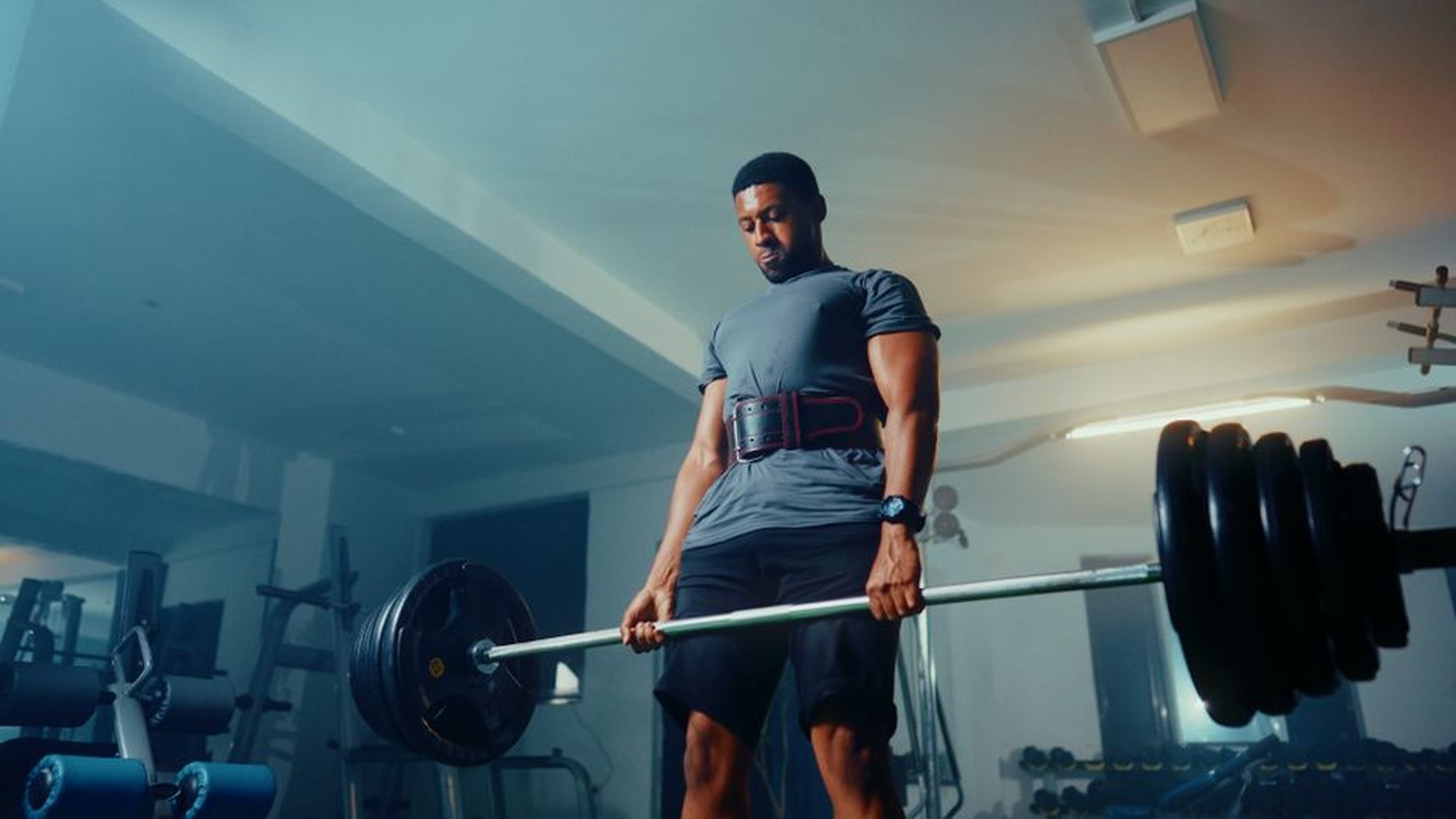
Not all smart devices are built the same. Some focus on activity; others on health. The key is matching your device’s capabilities to your goals. For example, if you’re a gym-goer, look for one that automatically detects exercises like squats, rows, and deadlifts. The Apple Watch Series 9 does this well with its automatic workout recognition and real-time coaching. If you’re into outdoor sports, GPS accuracy is non-negotiable. I spent two weeks testing the Garmin Forerunner 255, and its GPS locked on within 10 seconds—critical when you’re running a 10-mile trail in the Rockies and need to know if you’re on track.
Also consider metrics. Is your running form a concern? The Polar Vantage V3 uses advanced biomechanics to analyze cadence, stride length, and vertical oscillation. It’s not just tracking you—it’s helping you improve. And if you’re battling stress or poor recovery, devices with ECG, HRV, and sleep stage analysis (like the Oura Ring) can give you insights most people never consider.
Comfort, Battery, and Design: The Unsung Heroes
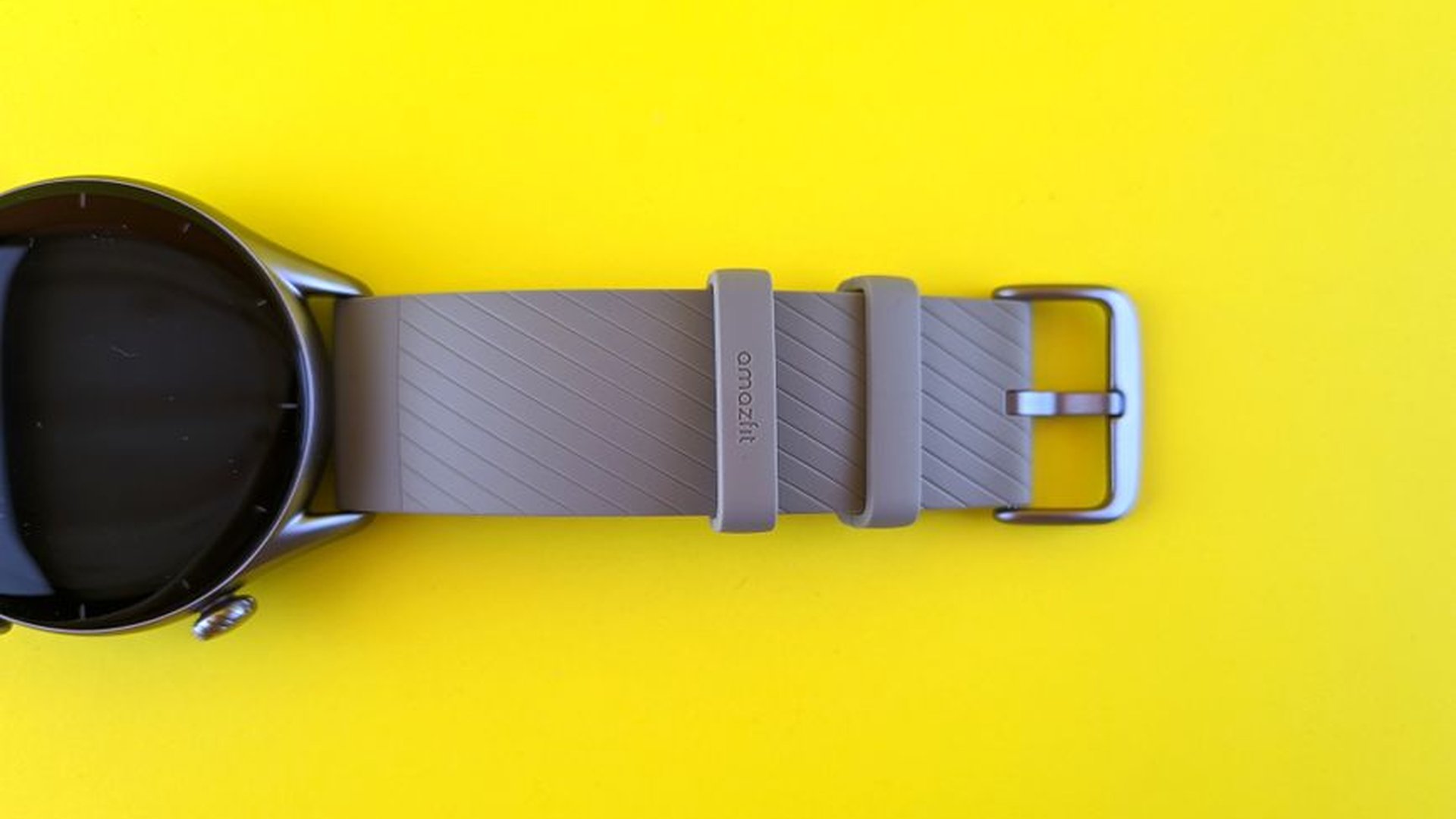
I’ve worn devices so heavy they felt like a paperweight on my wrist. I’ve had straps that chafed after 30 minutes. And I’ve almost lost a $600 watch when it slipped off during a swim. Fit isn’t just about size—it’s about wearability over time. The Xiaomi Mi Band 8 is lightweight, waterproof, and comfortable enough to wear to bed (yes, I used it to track sleep). But if you’re an athlete who trains 10+ hours a week, you might prefer the rugged build of the Coros Vertix 2, which handles extreme temperatures and drops with ease.
Battery life is another silent game-changer. I used to charge my smartwatch every night. Then I switched to the Garmin fenix 7, which lasts up to 21 days on a single charge—enough to survive a weekend camping trip without panic. For most people, 5–7 days is solid. But if you travel frequently or hate charging, look for devices that go 10 days or more.
Sync with Your Ecosystem
Your smart device isn’t a standalone gadget. It’s part of a system. That’s why compatibility matters. If you’re an iPhone user, Apple Watch offers seamless integration with Health, iCloud, and Apple Fitness+. Android users may find Google Fit, Wear OS, and Samsung’s Galaxy Watch more intuitive. I tried a $200 smart ring that only worked with Android and couldn’t sync with my iPhone—big mistake.
Also, consider apps. The best devices come with powerful companion apps that turn raw data into real insights. For example, the Whoop Strap 4.0 doesn’t just track strain and recovery—it uses AI to suggest optimal training windows based on your daily load. That kind of intelligence turns a simple tracker into a personal coach.
Real-World Testing Is the Only True Test
No review, no matter how detailed, can replace your own experience. I tested every major device in real conditions: hiking up Mount Tamalpais in fog, running intervals on a treadmill at 6 a.m., and swimming at a public pool in Seattle. The Fitbit Sense 2 tracked my heart rate accurately but struggled to detect lap cuts during swim sessions. The Polar Grit X 2 handled wet conditions like a champ, but its screen was too dim in sunlight.
That’s why I always recommend trying before you buy. Check return policies, look for demo units at big retailers like Best Buy, or rent a device through platforms like Rent the Runway for sports gear. There’s no shame in saying, “This doesn’t fit me”—especially if you’re spending hundreds on something you’ll wear every day.
Final Tips for Choosing Your Winning Device
After months of research, testing, and sleepless nights adjusting settings, here’s my no-BS advice:
– Don’t overspend for features you won’t use. A $400 watch with 100+ sports modes won’t help if you only run and lift.
– Prioritize accuracy. Check if the device uses multiple sensors (like optical + GPS) for better data.
– Read real user reviews—especially those from people with similar goals.
– Buy from a trusted retailer with a good return policy.
The right smart device isn’t about being the newest or most expensive. It’s about being the right fit for your body, your goals, and your daily rhythm. Whether you’re a weekend warrior trying to stay active or a serious athlete chasing performance, the best sport smart device is the one that stays with you—through every workout, every recovery, every early morning, every finish line. And when you find it, you’ll know. It won’t just track your life. It’ll help you live it better.
About the Author