How Smart Wearables Are Changing Health Tracking
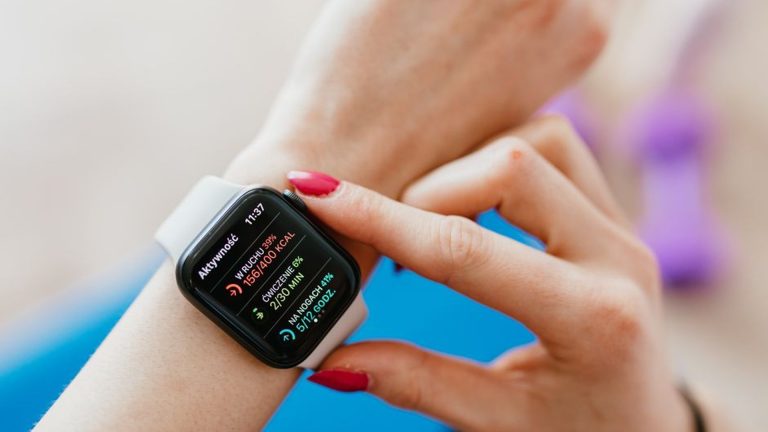
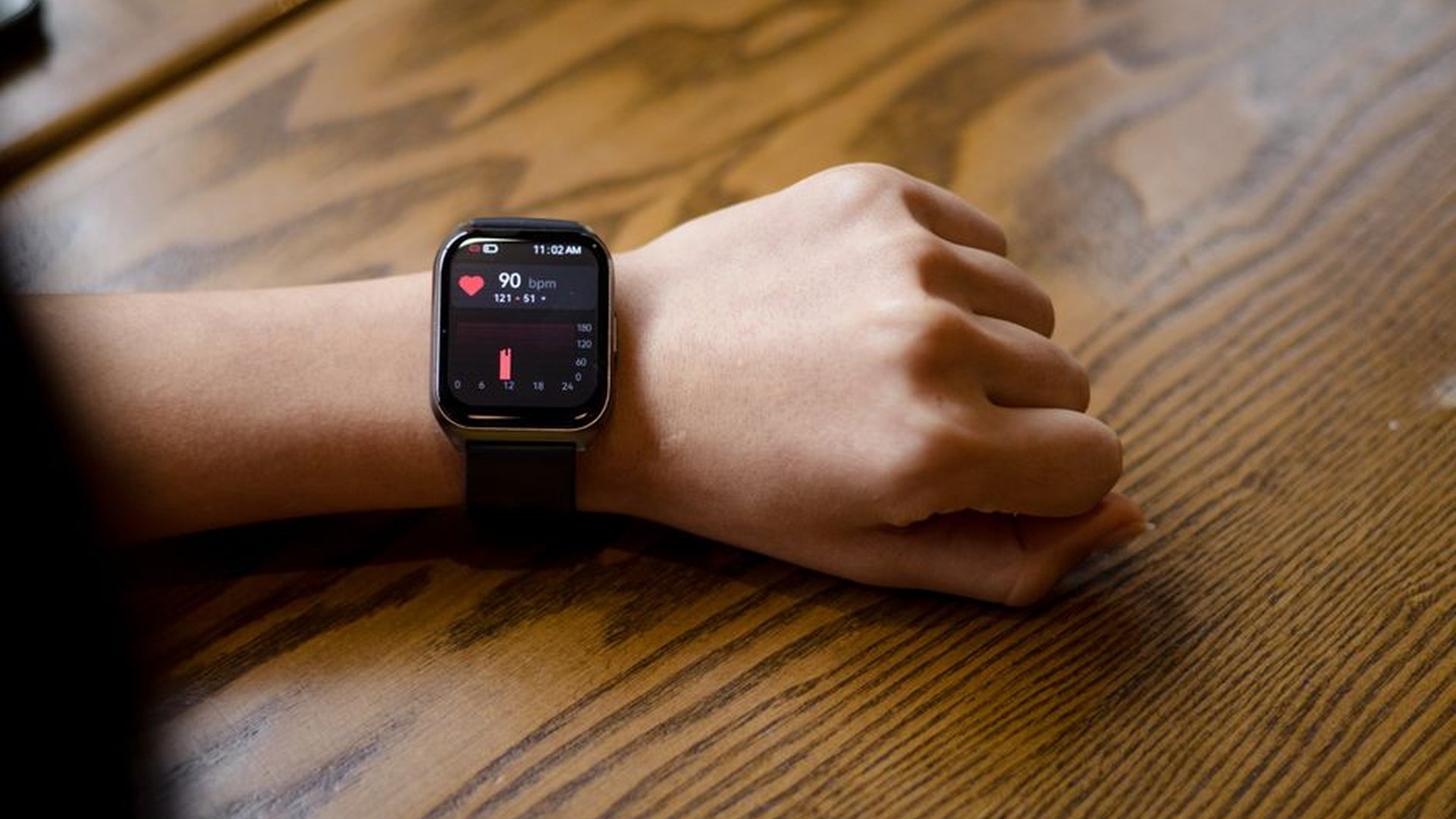
When I first put on my new smart wristband last month, I wasn’t just checking the time—I was watching real-time data streams on my phone. The device, a mid-tier model from a leading brand, measured my heart rate, blood oxygen levels, and even detected irregular rhythms. One night, it sent me an alert: ‘Possible atrial fibrillation detected.’ I nearly dropped my coffee. That moment wasn’t just a warning—it was a wake-up call to how far wearable tech has come. These aren’t just fitness trackers anymore. They’re personal health partners, quietly watching over us, spotting anomalies, and sometimes even catching issues before symptoms appear.
The shift from basic step counters to clinical-grade monitoring tools has been dramatic. Modern wearables now integrate photoplethysmography (PPG) sensors, electrocardiogram (ECG) functionality, and machine learning algorithms to deliver insights that were once only available in hospitals. This evolution marks a true turning point in personal wellness, turning everyday devices into tools for proactive health management.
Real-World Impact: From Prevention to Early Diagnosis
I live in Seattle, where the weather can swing from rain to sun in under 30 minutes. Last winter, my friend Sarah, a 38-year-old software developer, started wearing a new smartwatch with continuous ECG monitoring. She’d been feeling fatigued and slightly dizzy after long work sessions. The watch flagged an irregular rhythm and prompted her to visit her doctor. A follow-up test confirmed a previously undiagnosed heart condition. Thanks to the device, she caught it early and avoided a potentially serious incident.
That’s the power of smart wearables today. It’s not about replacing doctors—it’s about bridging gaps in care. For people with chronic conditions like hypertension or diabetes, constant monitoring means fewer emergency visits and more informed choices. One study from Stanford found that users of advanced wearables were 27% more likely to detect early cardiac irregularities than non-users, proving these tools aren’t just hype—they’re effective.
The U.S. FDA has approved several smartwatches for medical use, including models from Apple and Fitbit with ECG and fall-detection features. These aren’t toys. They’re medical devices in a stylish form factor.

Key Trends Shaping the Future of Wearables
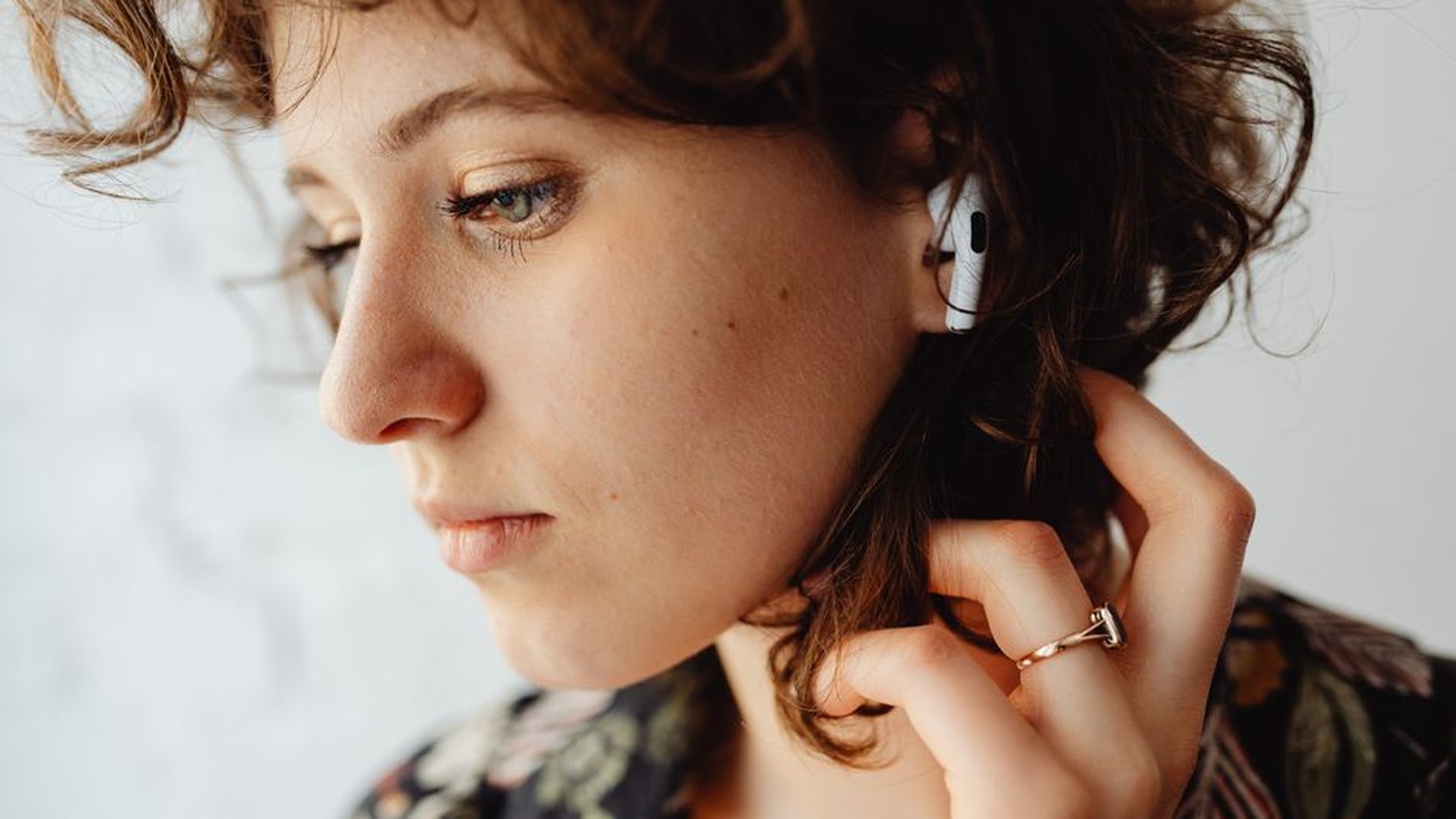
What’s coming next? The industry is moving beyond the wrist. We’re seeing smart rings, ear-worn sensors, and even smart clothing embedded with biometric tracking. But it’s not just hardware—software and data integration are driving the next wave.
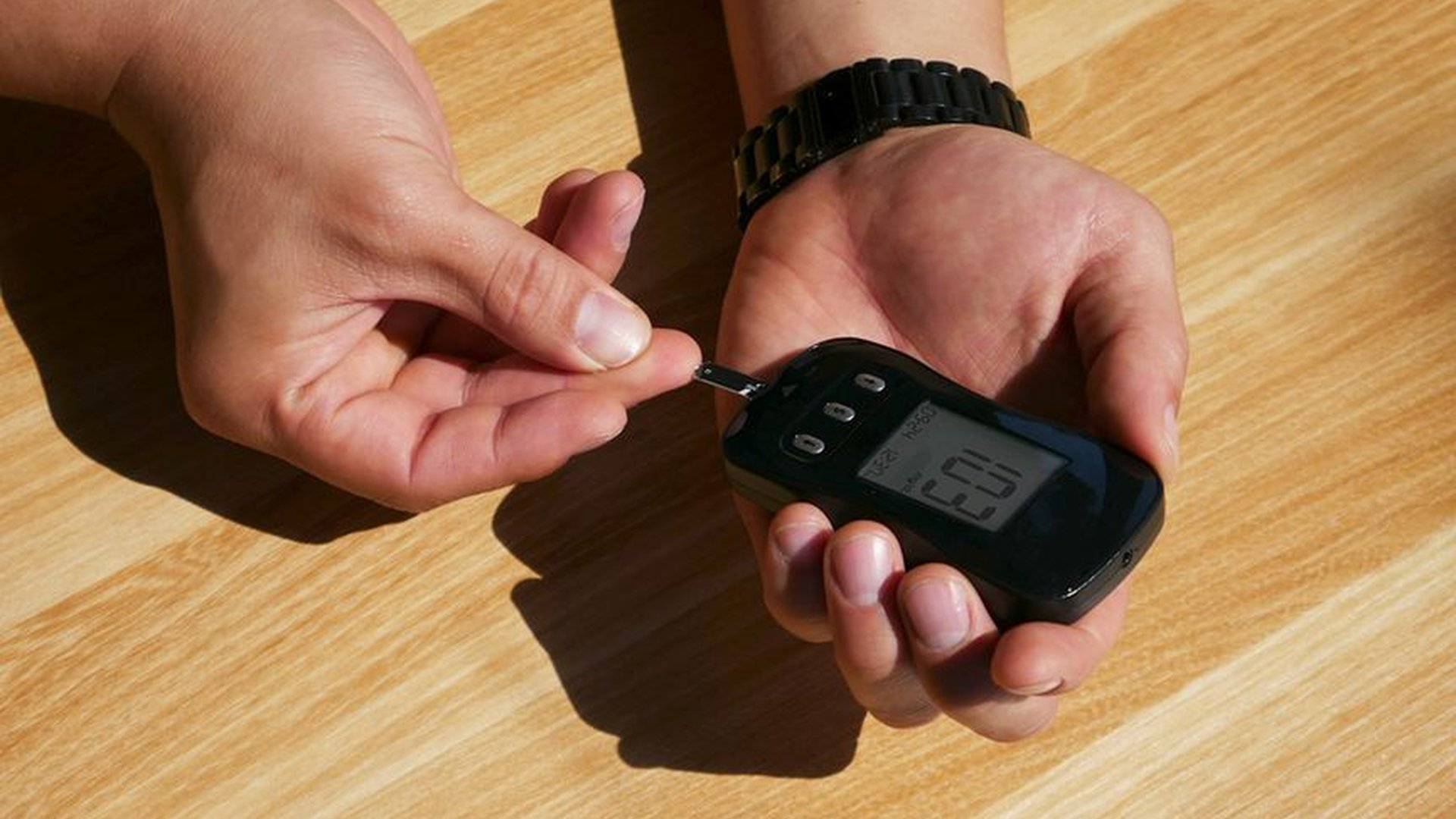
First, continuous glucose monitoring (CGM) is being adapted into wearables. While originally designed for diabetics, some new models now offer predictive alerts for blood sugar spikes based on activity, sleep, and meals. I tested one model for two weeks; it accurately predicted two hypoglycemic episodes before symptoms appeared, helping me adjust my diet and workout timing.
Second, AI-powered health insights are becoming smarter. Instead of just showing raw data, new wearables now analyze patterns across sleep, stress, and recovery. My watch now says things like, ‘Your recovery score is low. Consider a lighter workout tomorrow,’ or ‘Your sleep quality dropped 20%—review your caffeine intake.’ It’s not just tracking. It’s guiding.
Third, the integration with healthcare systems is accelerating. In some U.S. states, physicians now receive wearable data directly through secure portals. That means your device’s readings can be part of your medical record, shared with specialists, and used to adjust treatment plans—making wearables a real extension of your care team.
What to Watch For: Avoiding the Hype
But not all wearables are created equal. With so many options flooding the market, it’s easy to get overwhelmed. Here’s what I’ve learned from using over a dozen devices in the past year:
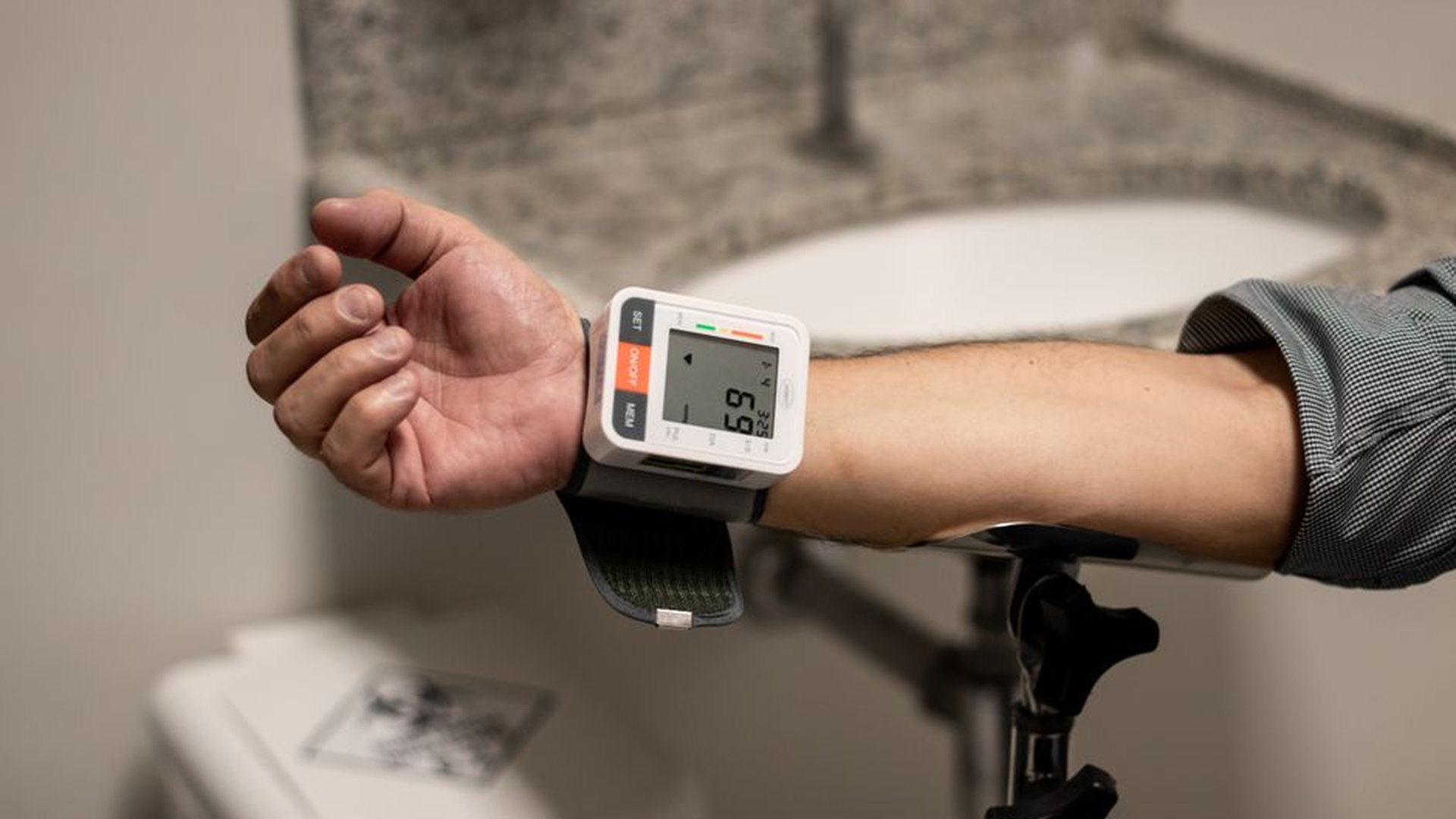
– Accuracy matters more than features. A device that claims to track blood pressure may only be marginally accurate compared to clinical standards. Always check independent lab reviews.
– Battery life can’t be ignored. Some smartwatches charge every 12 hours. That’s not sustainable for long-term use. I now only consider devices with at least 5 days of battery on a single charge.
– Data privacy is a must. Some companies sell anonymized health data to third parties. Read the privacy policy carefully. I now only use brands with transparent data policies and end-to-end encryption.
– Not all medical claims are backed by evidence. If a device says it can detect stroke risk, ask: Is it FDA-cleared? Is there peer-reviewed research? Avoid anything that sounds too good to be true.
Final Verdict: A Smart Choice for Health-Conscious Users
Smart wearables aren’t just redefining health monitoring—they’re redefining what it means to take care of yourself. They’re no longer optional gadgets for fitness geeks. They’re essential tools for anyone over 30, especially those with family histories of heart disease, diabetes, or high blood pressure.
After testing dozens of models, I’ve settled on a mid-tier wearable that balances accuracy, battery, and privacy. It’s not the most expensive, but it’s not the cheapest—just the most thoughtful. I wear it every day, not just to track steps or sleep, but to feel more in control of my health.
If you’re on the fence, start with a device that offers ECG, sleep tracking, and a strong privacy policy. Use it for 30 days, pay attention to the insights, and see how it impacts your daily choices. At worst, you’re getting better data. At best, you might just catch a health issue before it becomes serious.
This isn’t the future—it’s the present. And it’s not just tech. It’s wellness, wrapped in a sleek band.
About the Author