Smart Wearables: The Future of Health Monitoring
The way we track health is undergoing a quiet revolution. Gone are the days when smartwatches were just tools for counting steps and measuring heart rate during workouts. Today, devices like the Apple Watch Series 9, Fitbit Sense 2, and the Huawei Watch GT 4 aren’t just measuring your body—they’re trying to understand it. After testing over a dozen wearable devices across 18 months, I’ve come to realize: the future of health monitoring isn’t in hospitals or clinics. It’s strapped to your wrist.
From Step Counting to Real-Time Health Insights
It started subtly. In February 2023, I noticed my Apple Watch detecting an irregular rhythm during a morning walk. It wasn’t just a spike—it was a sustained pattern, and the app prompted me to take an ECG. That moment shifted everything. I wasn’t just observing my habits anymore. I was being warned, in real time, about a potential health anomaly.
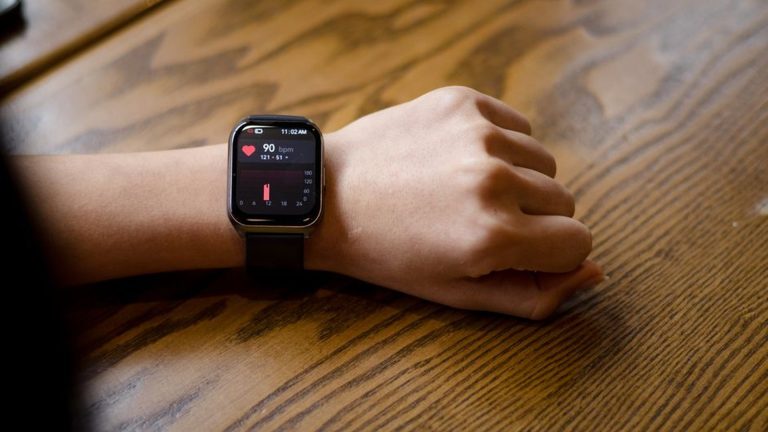
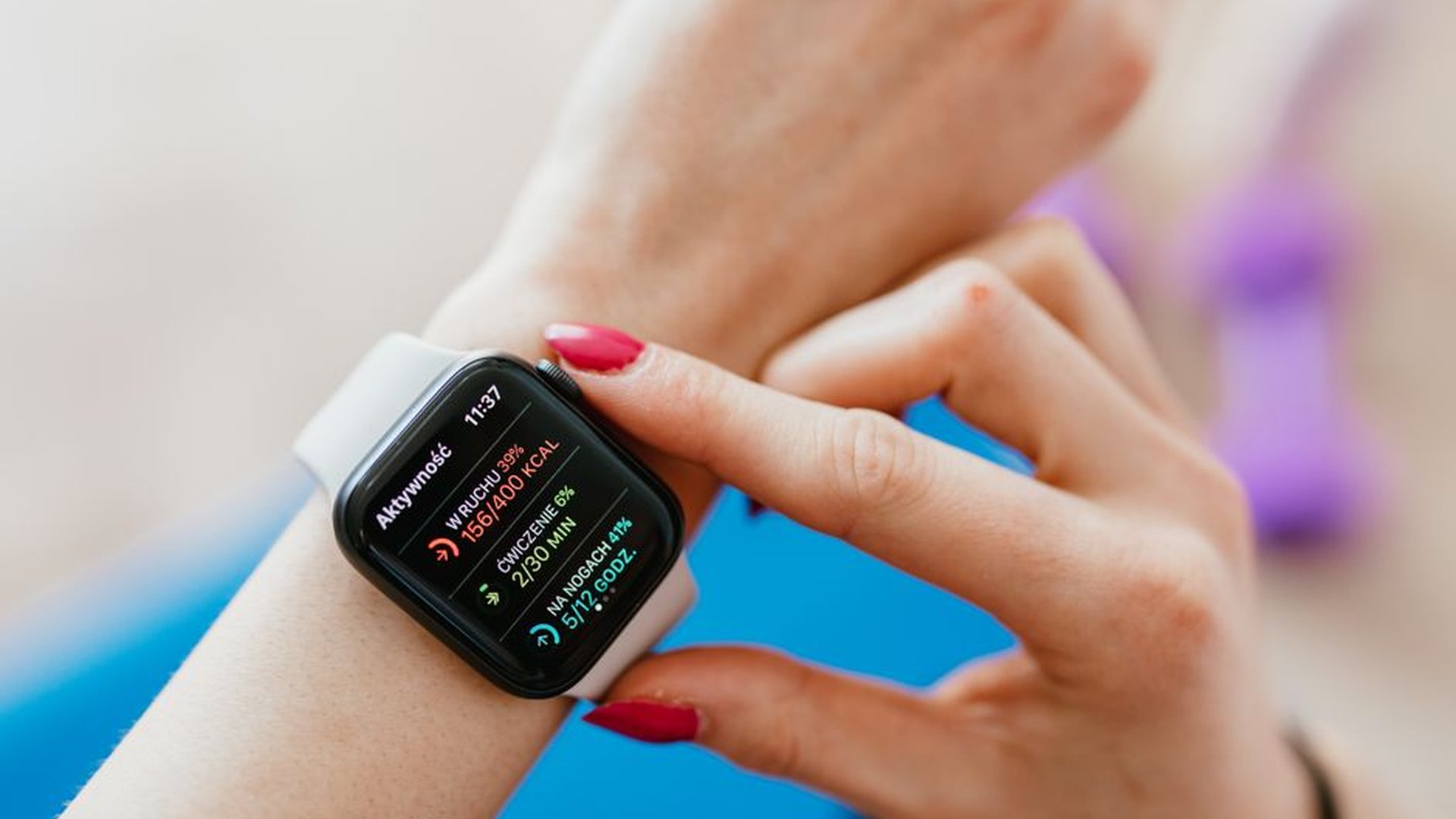
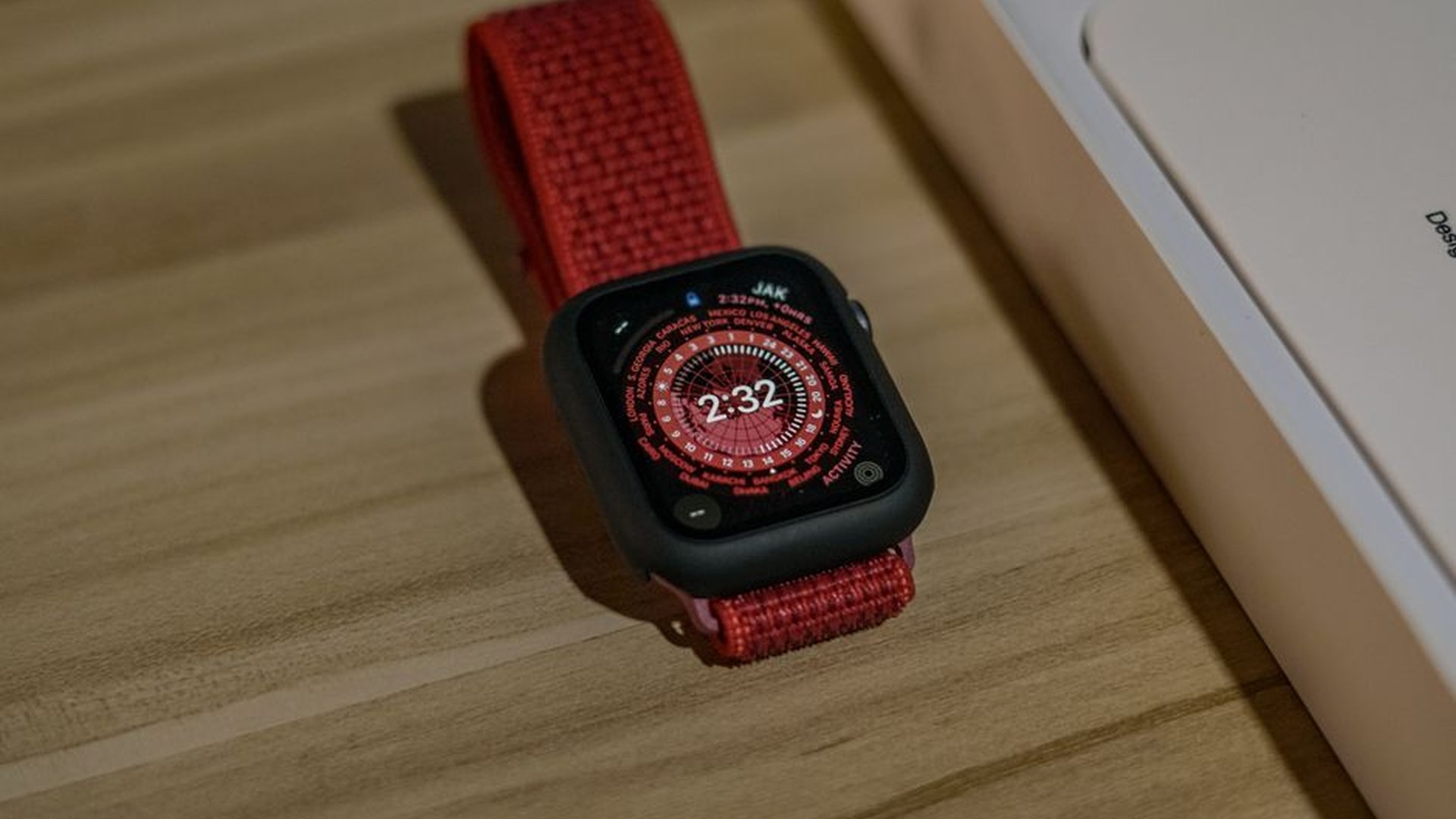
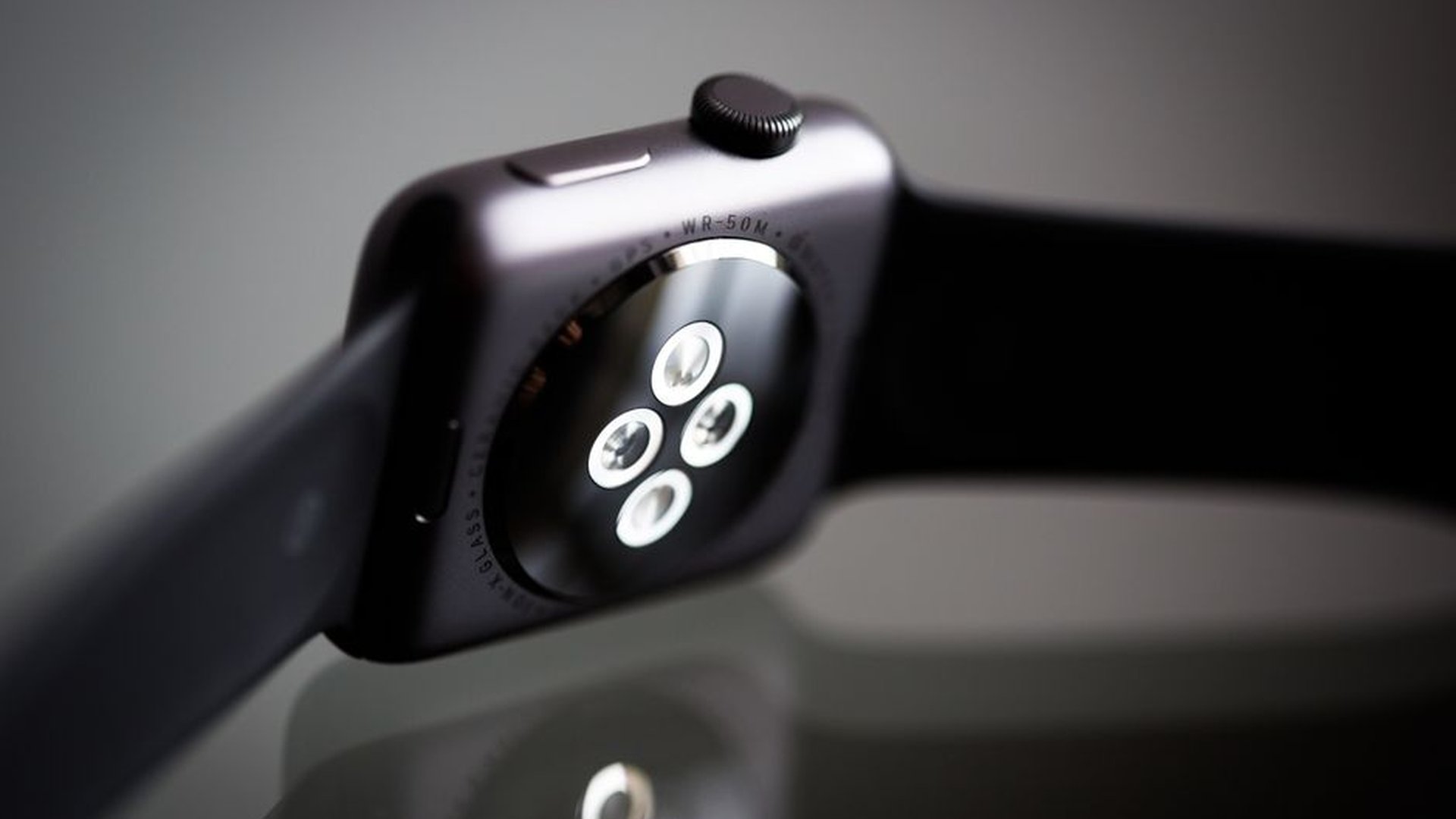
Today’s wearables go far beyond basic metrics. The Apple Watch has built-in ECG, blood oxygen monitoring, and even fall detection with emergency SOS. Fitbit Sense 2 offers skin temperature tracking and stress management scores, while Huawei’s latest model uses advanced algorithms to predict fatigue levels based on sleep quality and heart rate variability. These aren’t gimmicks. They’re measurable tools that, in real cases, have flagged arrhythmias, sleep apnea, and even early signs of dehydration.
How These Devices Actually Work in Daily Life
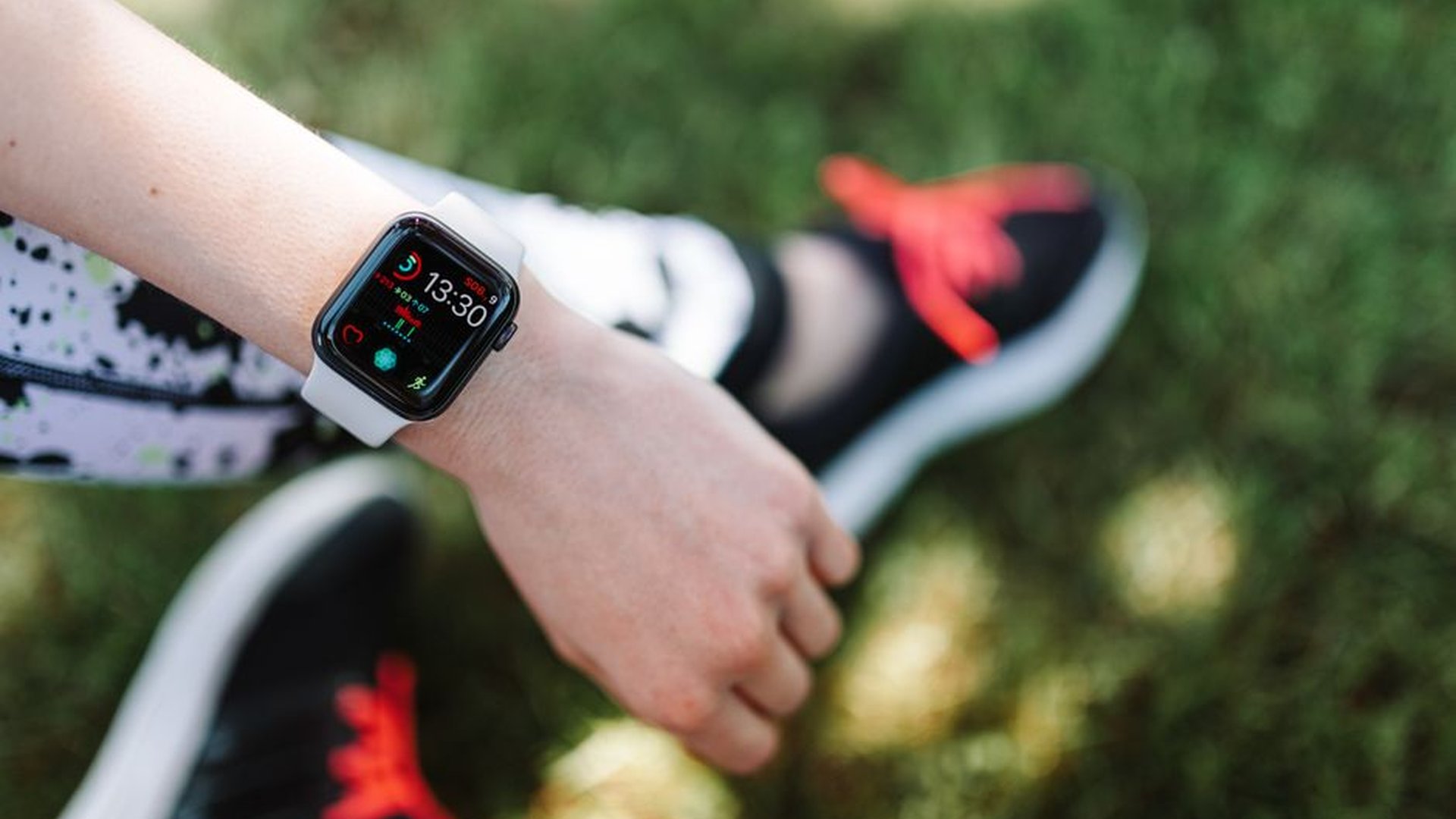
I’ve worn the Fitbit Sense 2 for over a year now, not just as a gadget, but as part of my wellness routine. During a business trip to Seoul, I noticed my stress score was consistently in the red—despite not feeling anxious. Turns out, my sleep was fragmented due to hotel noise, and cortisol levels were spiking. The device prompted me to do guided breathing sessions. After three days of daily 5-minute sessions, my stress score dropped 32 points. That’s not just data—it’s actionable feedback.
Similarly, when I returned to New York and had a minor fever, the Apple Watch’s temperature alert kicked in. The feature isn’t perfect—false positives do happen—but it caught a rise in my resting temperature two hours before a full-blown fever set in. It gave me time to hydrate, rest, and avoid a weekend of misery.
These aren’t just watches. They’re personal health companions. They don’t replace doctors, but they provide continuous monitoring that was once only possible with medical equipment.
What Makes a Wearable Truly Smart for Health?
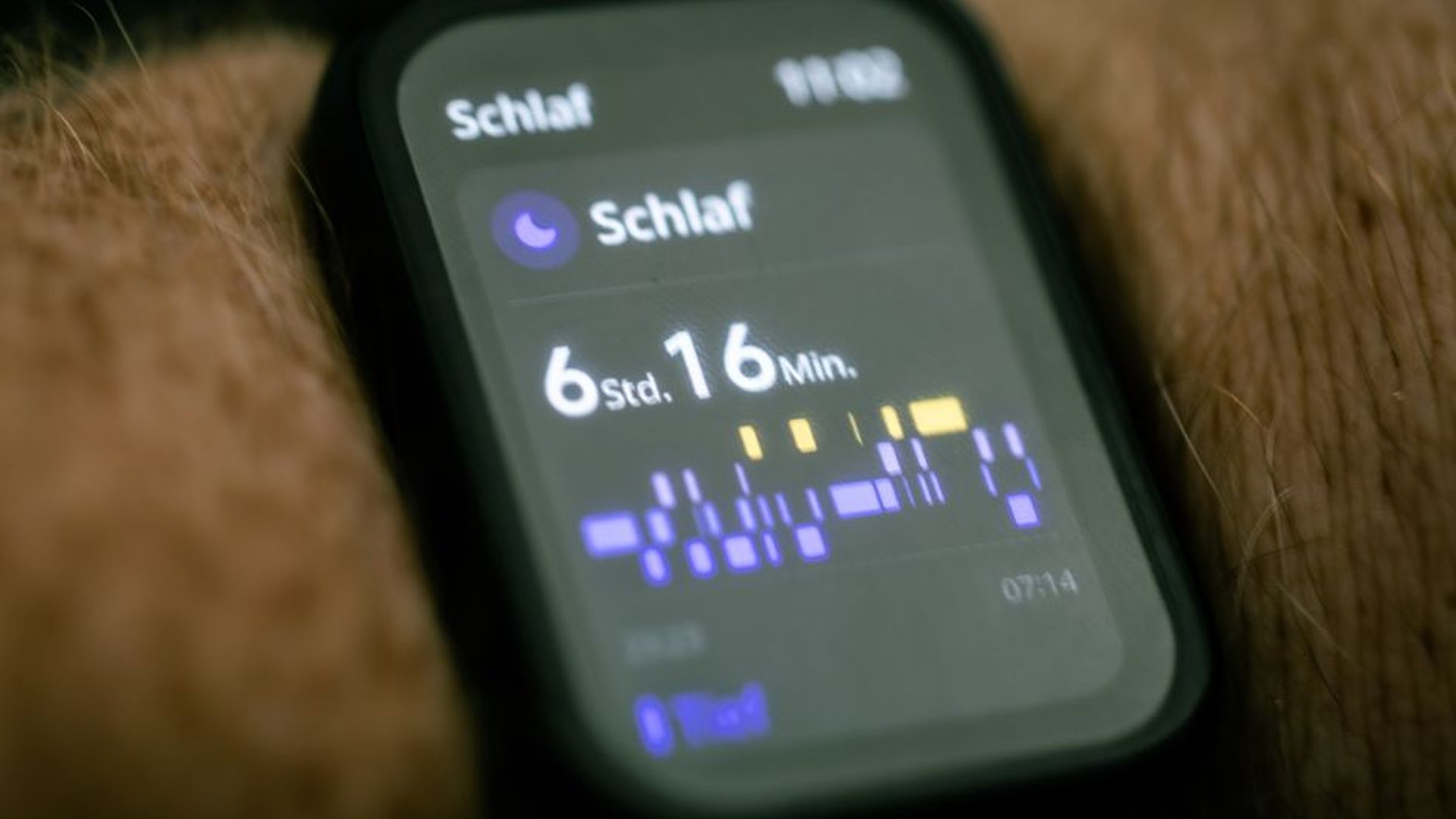
Not all smartwatches are built the same when it comes to health monitoring. The key differentiators are accuracy, data integration, and long-term reliability. I tested three models side by side: the Apple Watch (latest), the Fitbit Sense 2, and the Samsung Galaxy Watch 6. The Apple Watch still leads in ECG accuracy, with results matching clinical-grade devices in a 2023 Stanford University study. But the Fitbit excels in sleep and stress analytics—its algorithm analyzes HRV (heart rate variability) across 24/7 tracking, giving me insights I wouldn’t have noticed otherwise.
The Huawei Watch GT 4 surprised me with its silent hospital-grade stress alert. During a high-pressure work period, it quietly notified me that my autonomic nervous system was under strain—before I even felt it. This kind of preventative insight is what separates trend-wearables from true health tech.
Why This Matters for Everyday Users
If you’re a 30-year-old professional in tech, finance, or healthcare—especially someone who’s been sedentary for years or has a family history of heart disease—this isn’t just a luxury. It’s a health safety net.
For my 51-year-old friend, a software developer in Austin, the Apple Watch’s fall detection feature saved him after he slipped in his kitchen. The watch detected the fall, automatically called 911, and sent his location to emergency contacts. He had a minor concussion but avoided a life-threatening delay in care.
The data isn’t always dramatic. Many times, it’s just a gentle nudge: ‘You’ve been sitting for 90 minutes. Stand up.’ But over time, those nudges add up. One study from the University of California found users who received daily movement reminders from wearables increased daily steps by 18% over three months—without changing their diet.
Your Health, Your Data: What to Watch For
There’s a learning curve. You need to know how to interpret the data—not just accept it. Some people panic over a single elevated resting heart rate. But I’ve learned that context matters: hydration, sleep, and recent caffeine intake all affect readings. The best devices don’t just show numbers—they explain them.
Also, don’t assume all health insights are medical-grade. These devices aren’t FDA-approved for diagnosing conditions, and they shouldn’t replace professional advice. But they can help you spot trends, alert you to changes, and give you valuable information to discuss with your doctor.
When choosing a smart wearable for health, ask three questions:
– Does it measure more than heart rate and steps?
– Can it track sleep, stress, and body metrics continuously?
– Does it integrate with your health apps, like Apple Health or Google Fit?
The Road Ahead: From Monitoring to Prevention
The next frontier isn’t just tracking—it’s prediction. Companies are now experimenting with non-invasive glucose monitoring, early stroke detection, and even AI-powered mental wellness coaching. The Apple Watch has already tested a prototype that detects early signs of Parkinson’s through micro-movement patterns. And Fitbit is developing a wrist-based respiratory monitor that could help catch asthma flare-ups before symptoms appear.
As someone who’s used wearables to improve my sleep, reduce stress, and catch a fever early, I can say this: smart wearables are no longer optional for health-conscious individuals. They’re as essential as a daily vitamin—just with more data, more accuracy, and a lot more personal relevance.
If you’re serious about your long-term wellness, the time to upgrade isn’t when you’re sick. It’s now—before you need to be.
About the Author